




We all know know that plastic bottles harm the oceans, but what about the plastics in your own home? They’re easier to overlook. They hide in the fabrics you sit on, the bedding you snuggle into, the clothes you wear every day. And every time you wash those synthetic fabrics – fleece throws, polyester cushions, microfibre cloths – they shed tiny fibres that pass through filters and flow straight into rivers and the sea.
You can’t see them, but these microplastics are in the air we breathe, the water we drink and even the dust that settles on our shelves. The good news? Once you know where they’re hiding, it’s surprisingly easy to make a few swaps that will cut them out for good.
Here’s where to look room-by-room, and what to choose instead, to move towards a low-tox home.
Living Room – check if your soft furnishing fabrics contain plastic
Your sofa, curtains, rugs, cushions and carpets might look inviting, but if they’re made from polyester, acrylic or other synthetics, they’ll be releasing microplastics into the air every day, and into the water each time they're washed. Over time, these particles build up in the dust you breathe and pollute rivers.
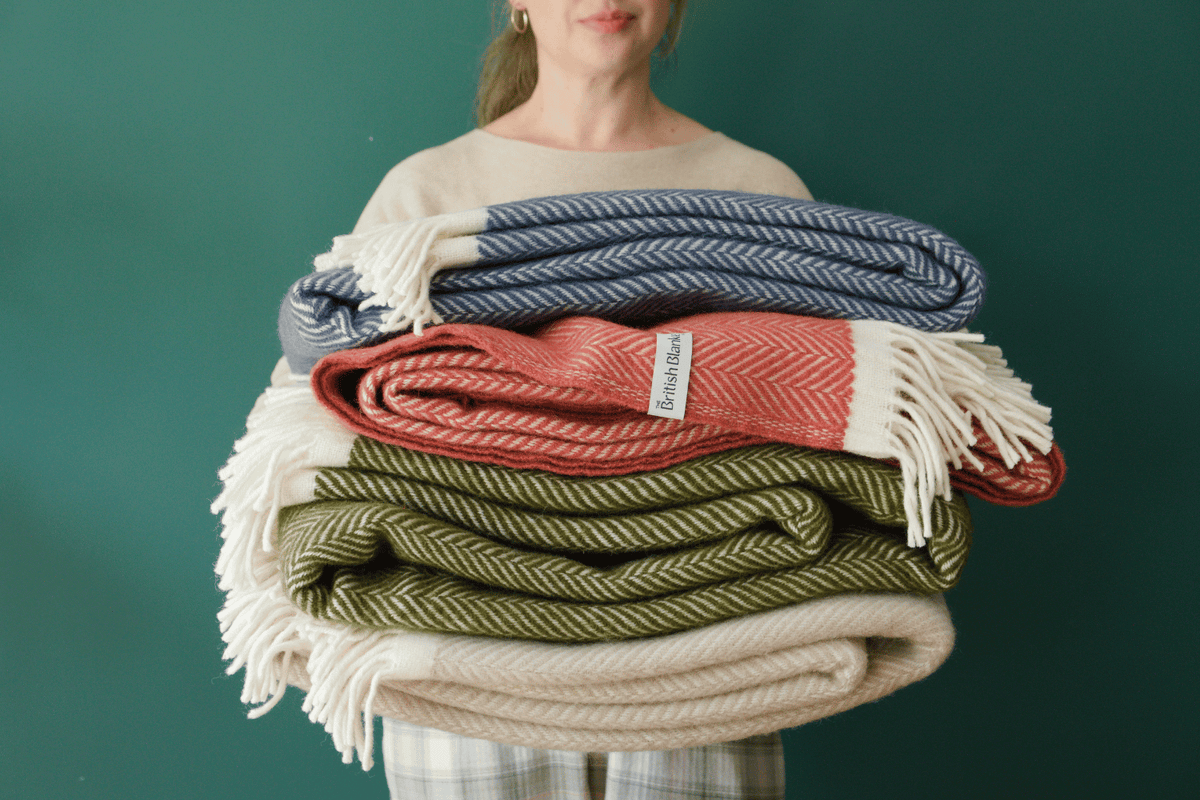
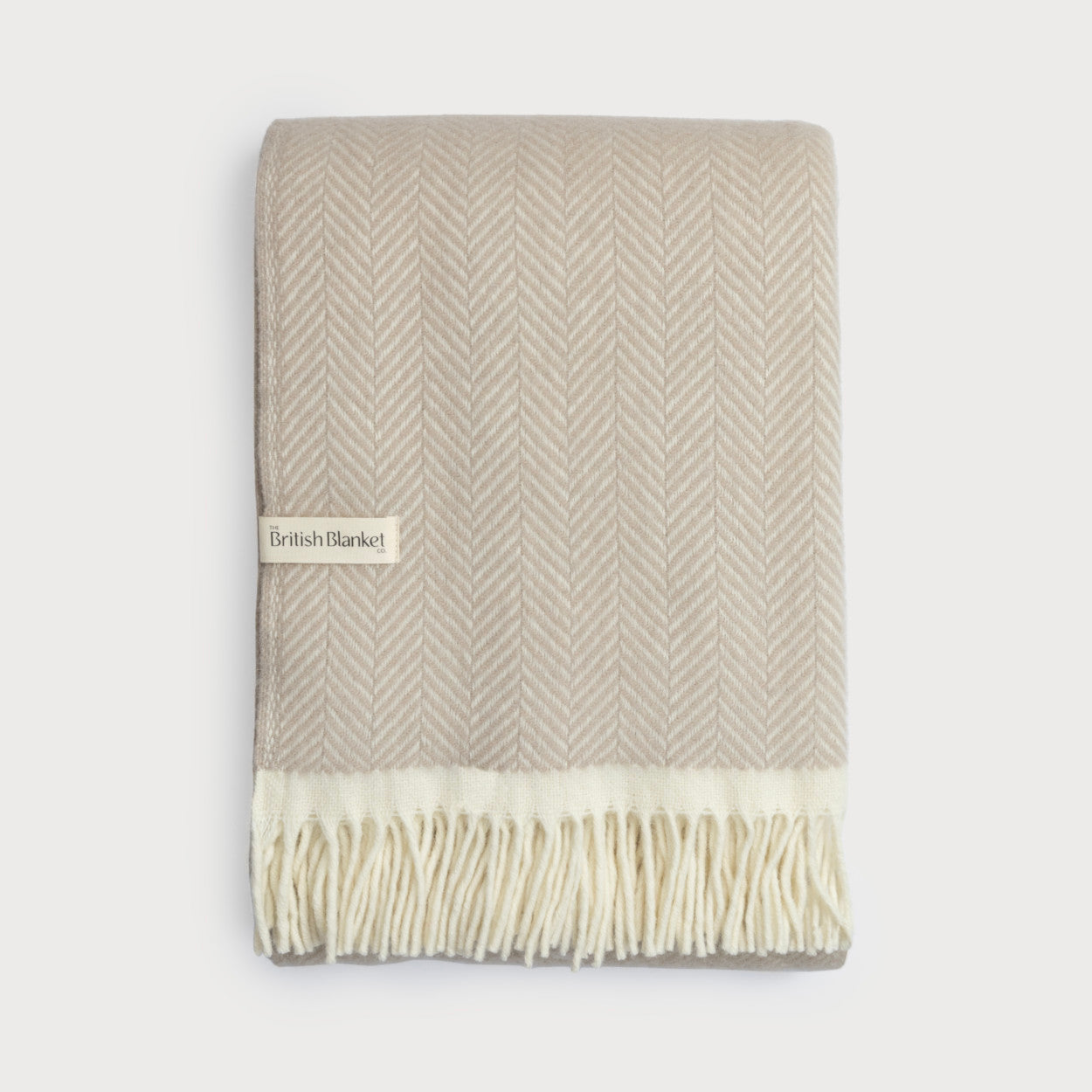
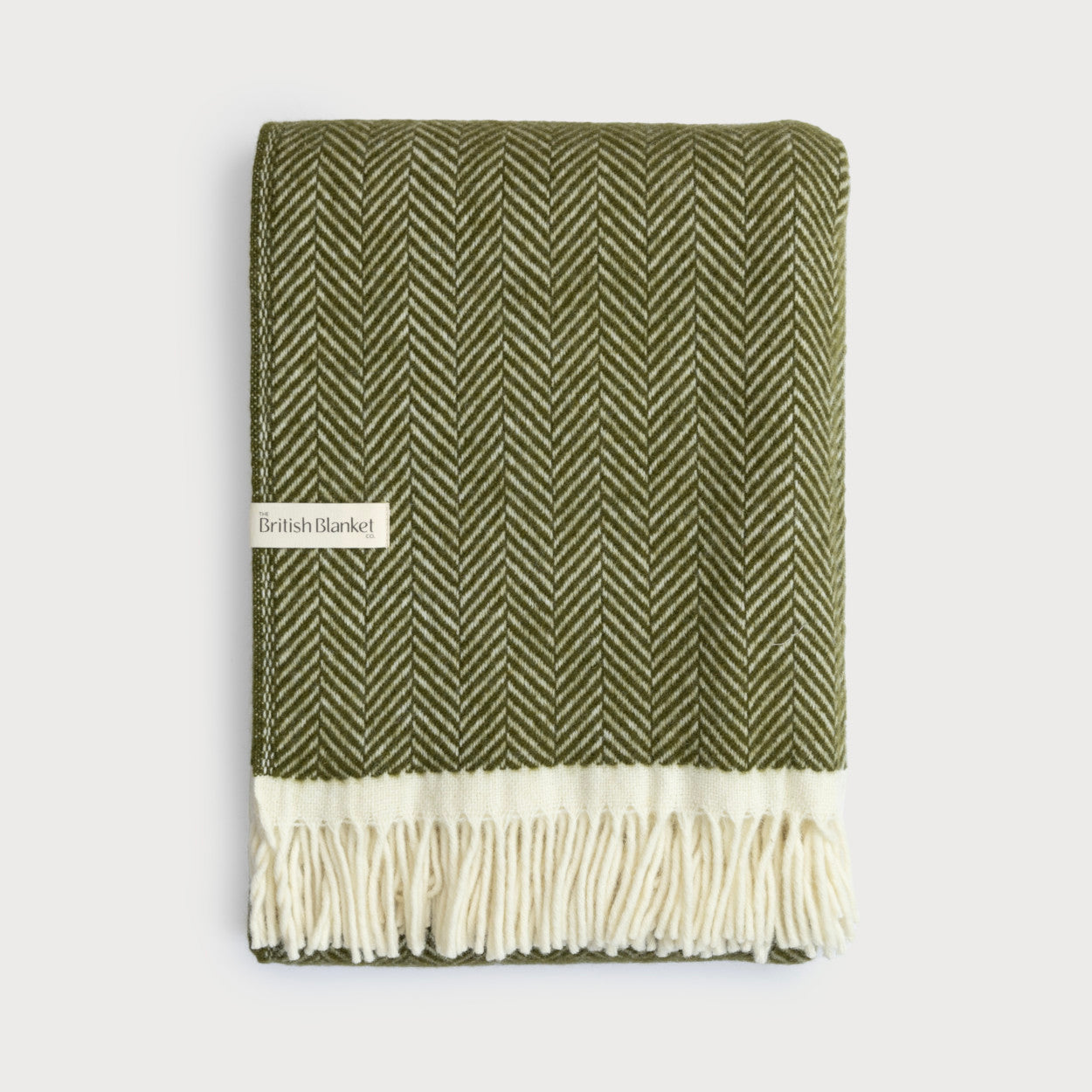
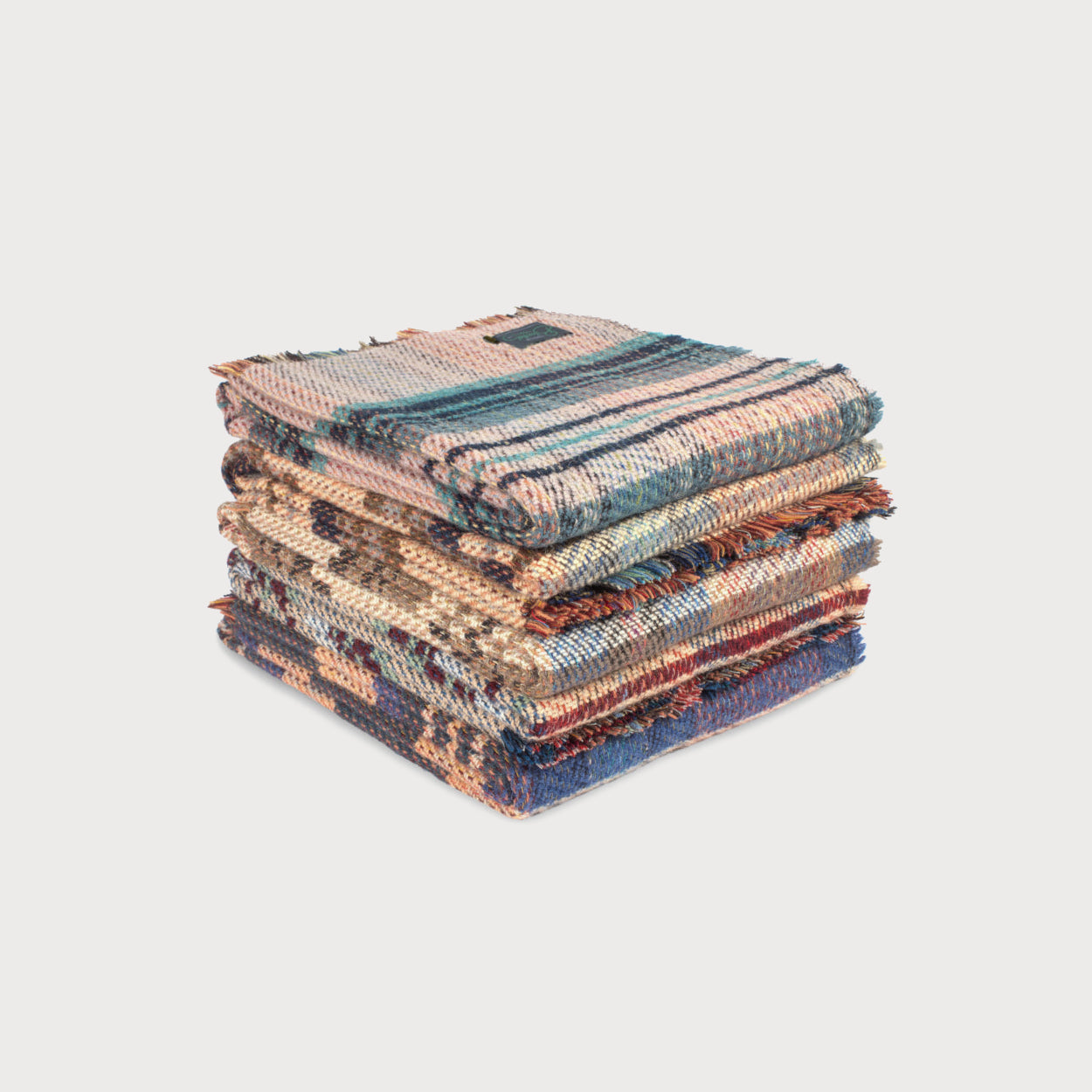
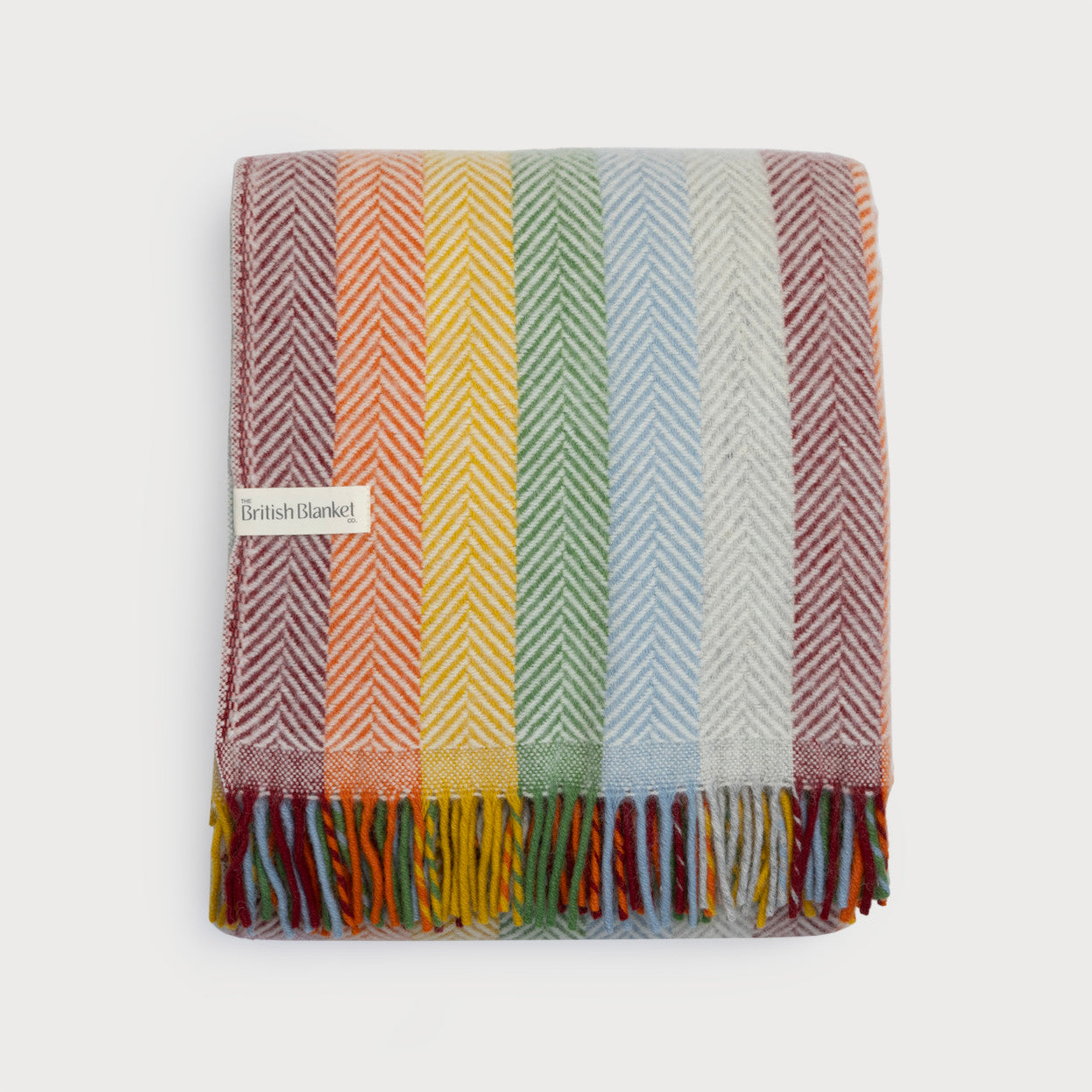
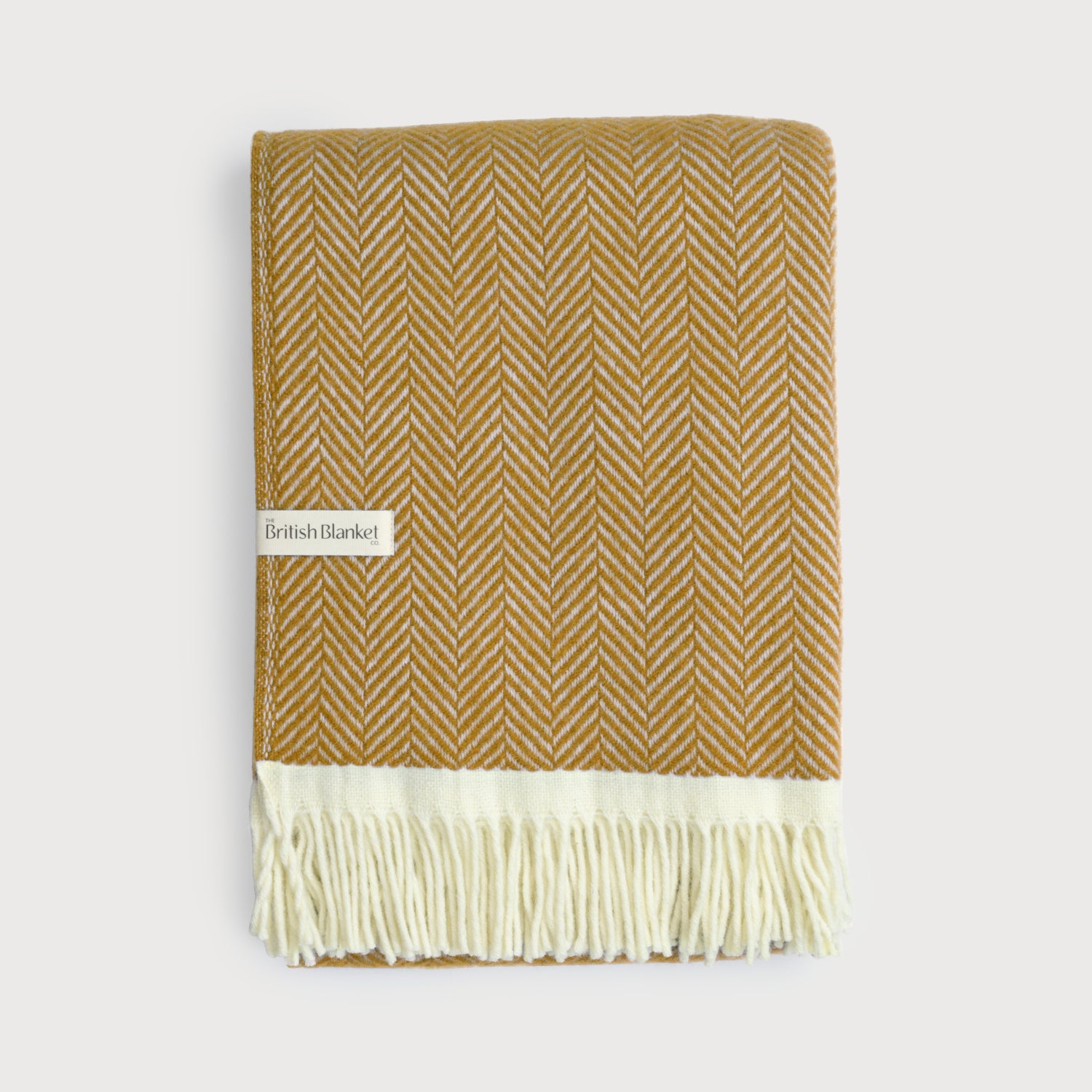
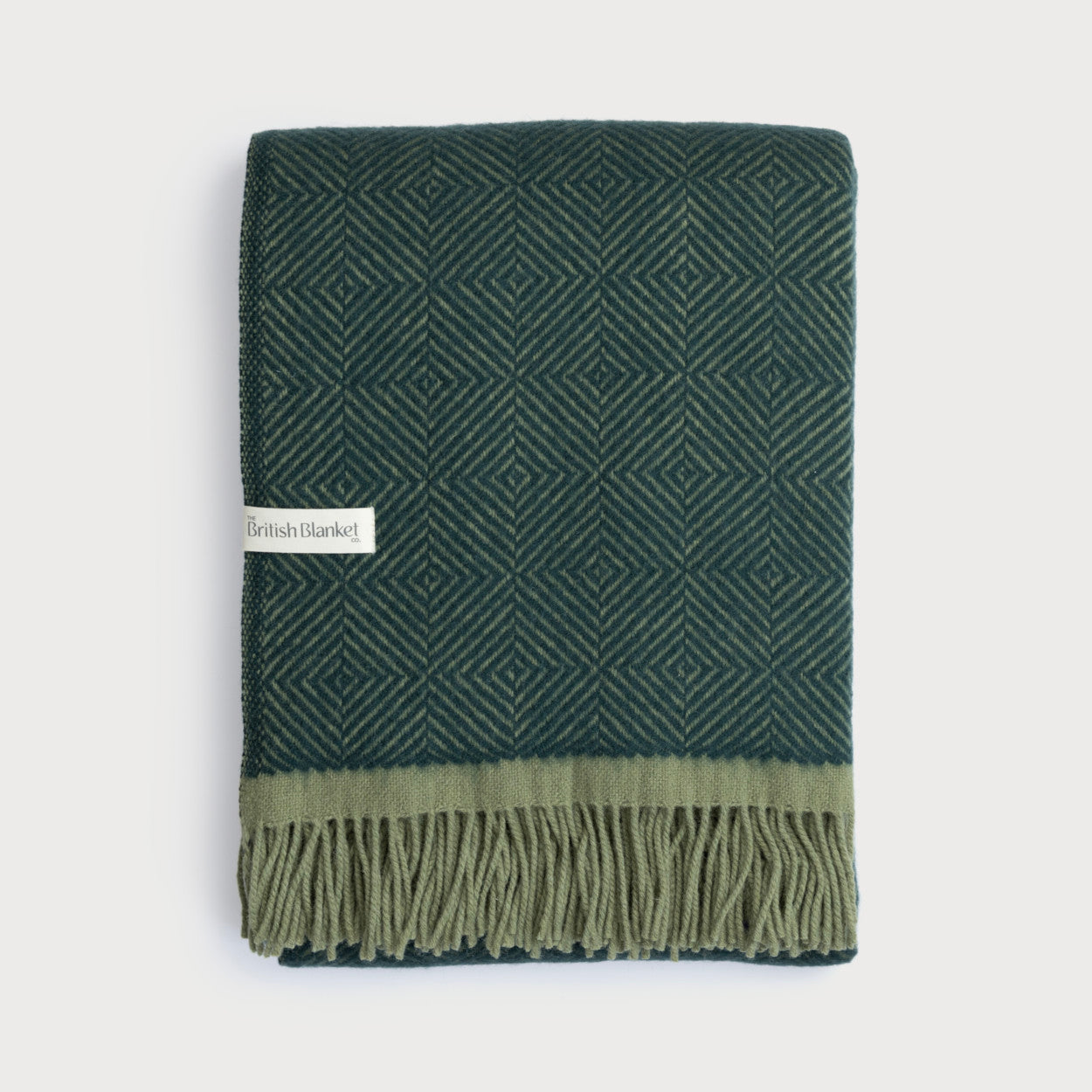
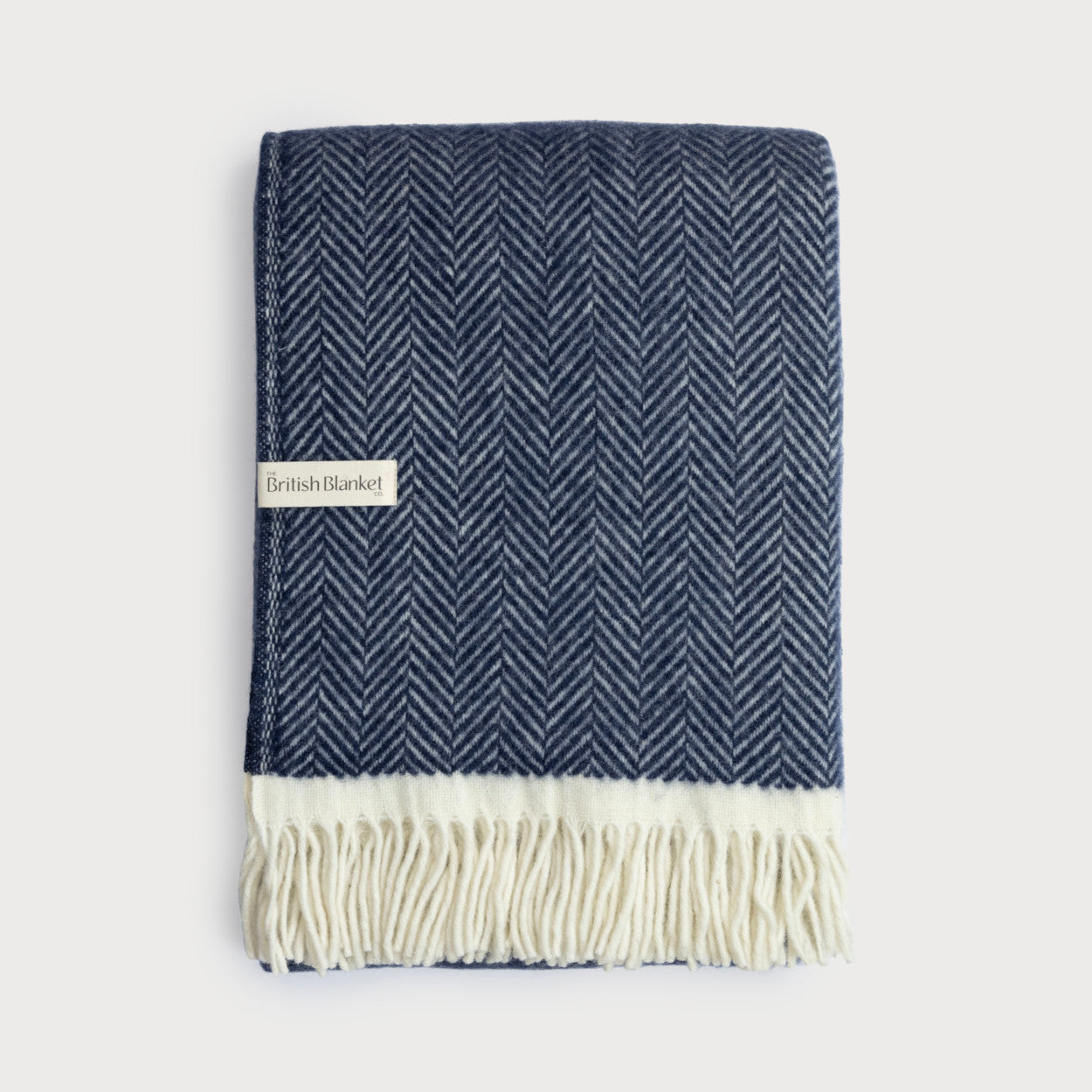
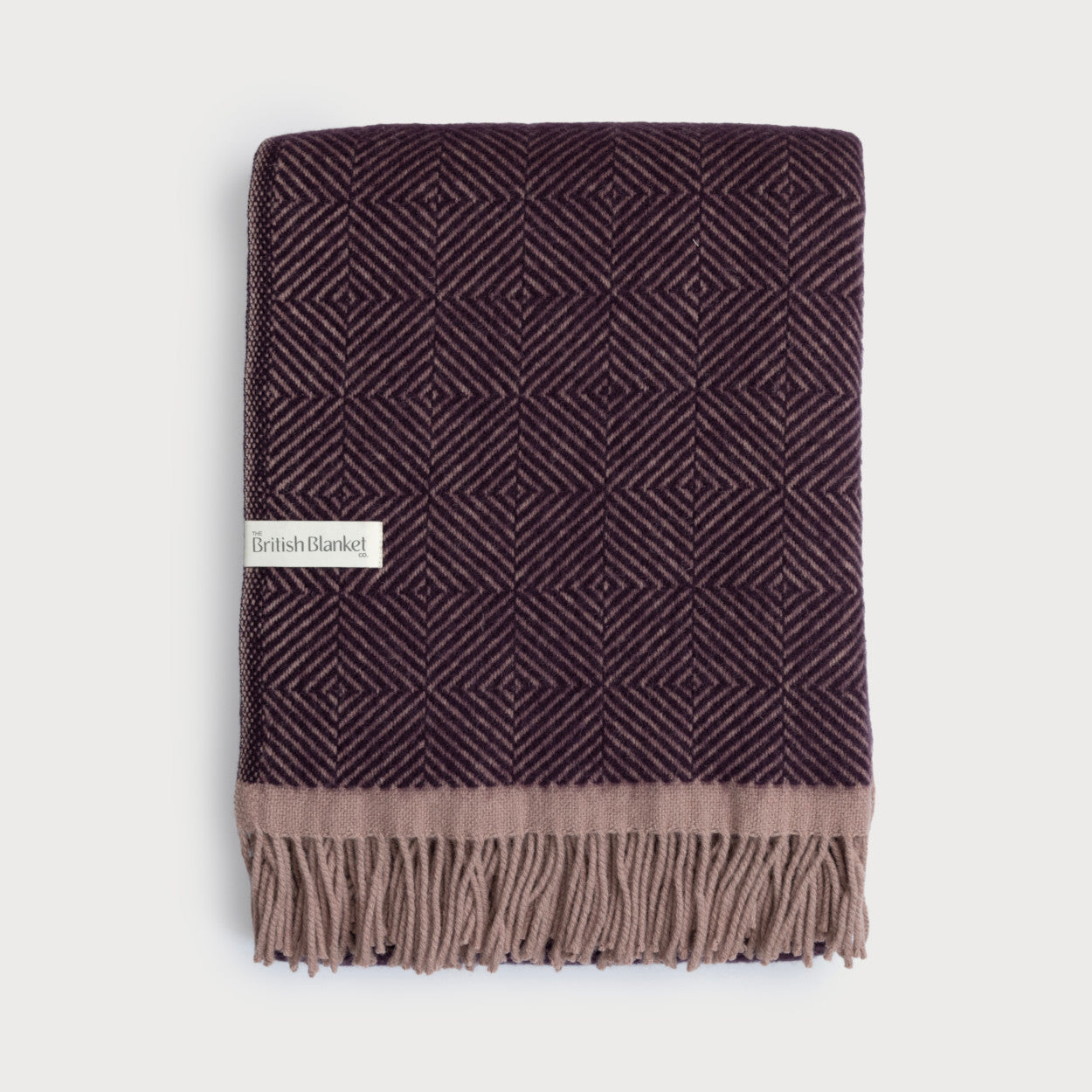
Natural fabrics like wool, cotton and linen are a healthier choice for you and the planet. A wool throw from The British Blanket Company adds warmth and texture to your sofa without the hidden plastics. And because wool naturally resists dirt and odours, you’ll spend far less time washing it.

From your curtain fabric to rugs, carpets and throws, the soft furnishings in your living room have the potential to be made from plastic-based fibres and shed microplastics into your home.
Above: Totterdown Wool Waffle Blanket in Brunswick from The British Blanket Company
Decorating – choose eco-friendly paints
Even the paints and varnishes we use can affect indoor air quality. Low-VOC (volatile organic compound) options are far better for your health – and the environment – while giving the same quality finish.
The eco-paint industry has come a long way in recent years and you no longer have to search out niche companies with limited colours to choose from. Try Earthborn paints which are particularly good for children's bedrooms and period homes, or the clever Re:mix range from Little Greene, which reformulates waste paint and prevents as much as 60,000 litres of high-quality mineral and organic raw materials from going to waste each year.

Little Greene collect damaged stock and leftover paint and reformulate it into their Re:Mix upcycled paint colours, including this gentle Sage Green shade
Bedrooms – swap synthetic sheets for natural bedding
We spend a third of our lives in bed, yet bedrooms can be full of plastic-based fabrics – from polyester duvet covers to synthetic acrylic blankets. These trap heat and moisture, creating the perfect conditions for bacteria and musty smells.
Switching to natural fibres creates a fresher, more breathable sleep environment. Cotton, linen or bamboo bed sheets, topped with pure wool blankets, allow air to circulate, regulate your body temperature and stay fresher for longer. In fact, many wool blankets just need a day hanging outside to feel as good as new, cutting out the need for frequent washing altogether.
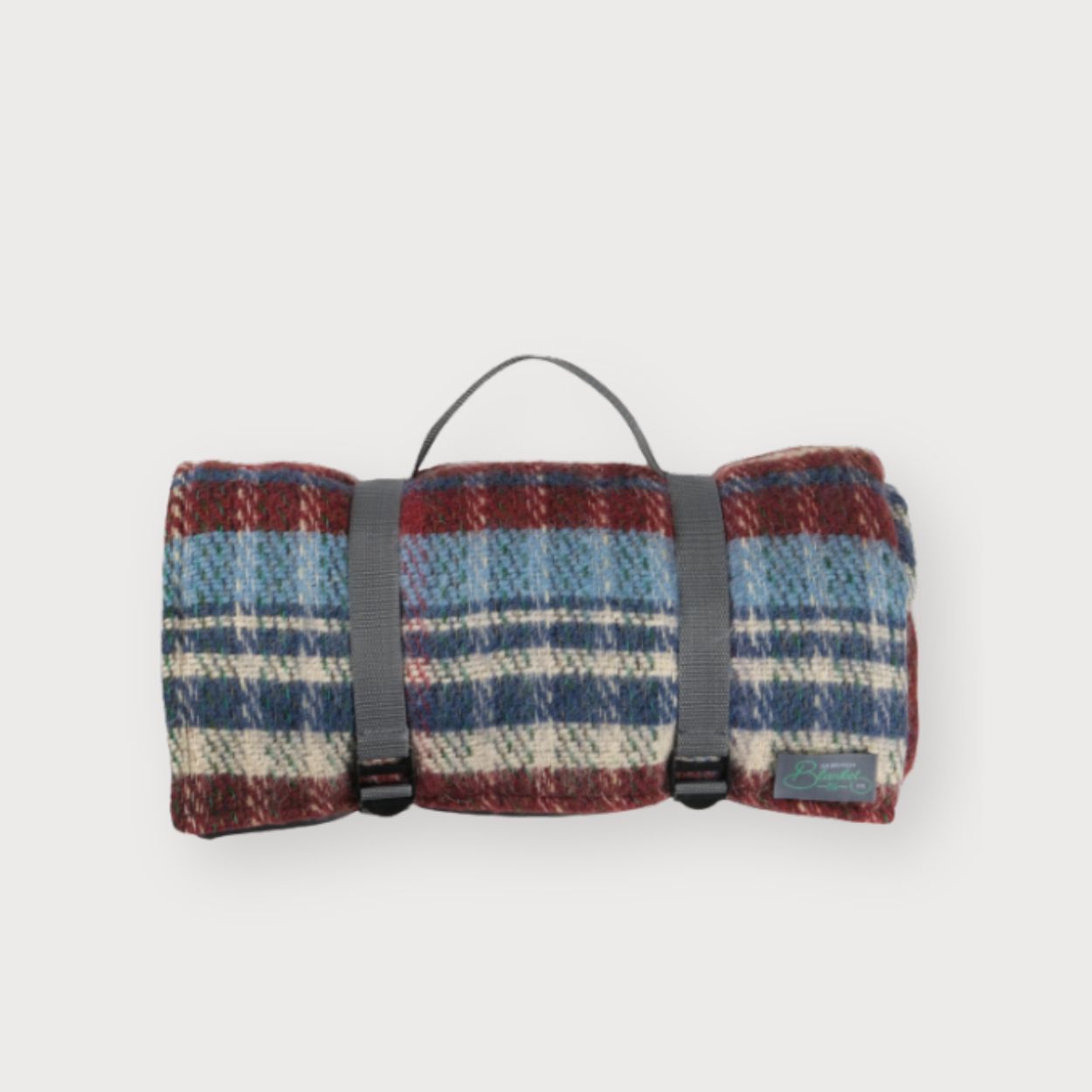
Here are The British Blanket Company we specialise in natural fibre wool blankets and recycled cotton blankets. We source the finest quality yarns from ethical suppliers to create blankets that are more comfortable, eco-friendly and longer lasting than synthetic throws made from polyester and acrylic.

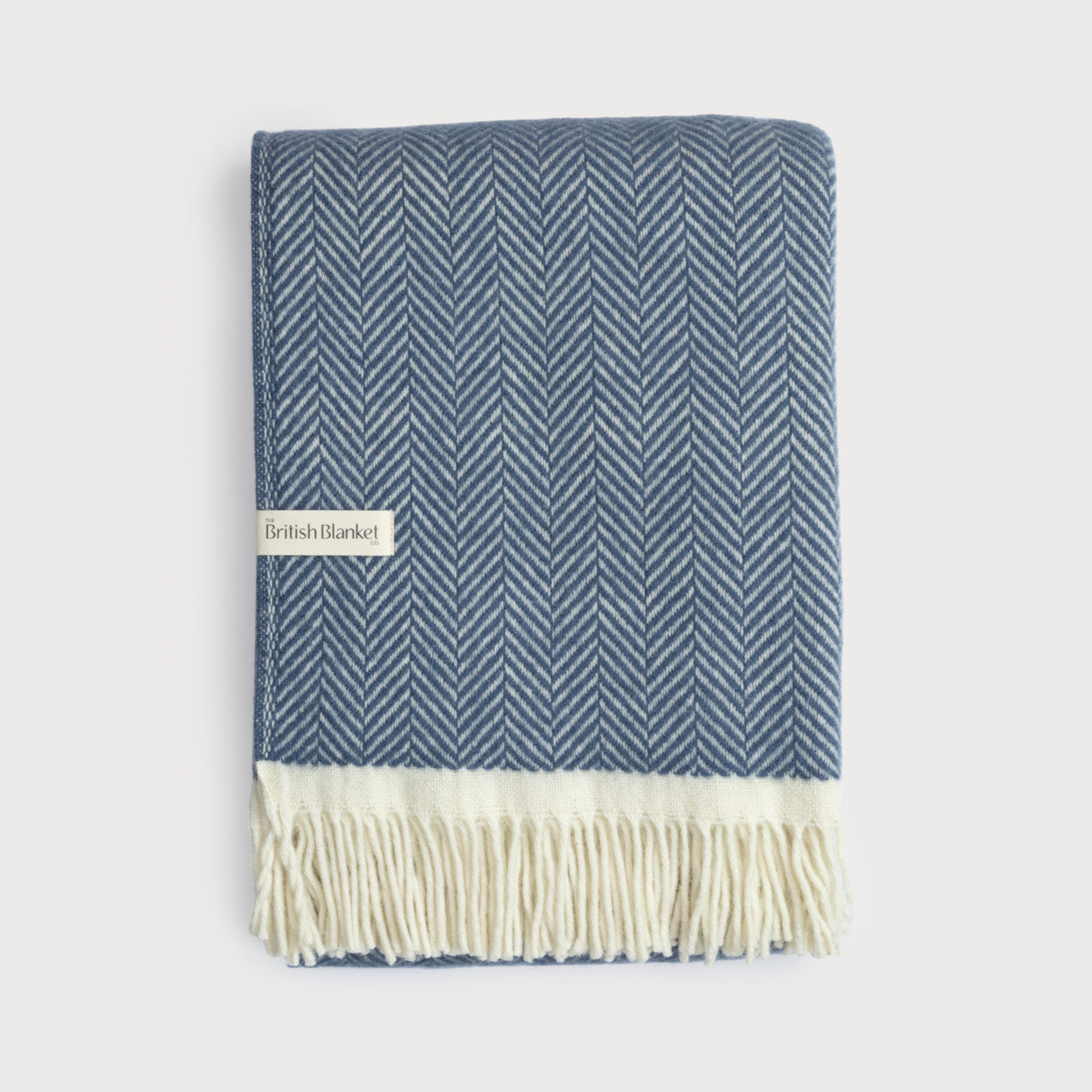
Linen sheets and lightweight merino wool blankets are an ideal layered together to make your bedding more natural. You'll sleep more comfortable too, as these breathable natural materials help you regulate your body temperature during the night
Above: Merino Herringbone Blanket in Navy Blue from The British Blanket Company
Laundry – wash less to avoid releasing microplastics
Synthetic fabrics trap moisture so they get smellier faster, which means they’re in the washing machine more often. Not only does this use more water and energy, it also means more microplastics going into the environment.
Natural fibres don’t have this problem. When you do wash wool or cotton, any loose fibres break down harmlessly. Pair that with the fact they need fewer washes, and you’re making a big difference to your home’s footprint. Read our blog post on the rise of the 'no wash movement'.

Synthetic fibres release tiny microplastic fibres into the water courses every time you wash them. They can remain in the rivers and oceans. Microplastics can take anywhere from 100 - 1,000 years to break down, and have been found in the stomachs and muscles of fish
Kitchens – switch your cloths and sponges for natural ones
Those bright-coloured microfibre cloths might be great at picking up dust, but they shed plastic with every rinse. Cotton, hemp or cellulose cloths clean just as well, are compostable at the end of their life, and won’t send microplastics down the drain.
For washing up, I recently converted to the natural loofah scourers from Seep, which last longer than plastic sponges and can be dropped into your home compost when they eventually wear out.
Cleaning Cupboards – go plant-based for a chemical-free home
Harsh cleaning products can add unnecessary chemicals to your indoor air and waterways. British business Purdy & Figg make plant-based cleaning concentrates that smell beautiful and come with refillable glass bottles.
Switching from harmful chemical cleaning products to natural alternatives is one of the simplest swaps you can make in your journey towards a low-tox home, and it can make cleaning more enjoyable too.

One of the quickest and cheapest ways to make your home tox free is to swap you cleaning products, cloths and sponges for chemical free alternatives
Bathrooms – recycled more and opt for refillable toiletries
Whilst most of the packaging in kitchens across the UK is recycled, it is estimated that only 50% of bathroom packaging is recycled, according to Less Waste. Often, the reason for this is that people tend not to have two separate bins in their bathroom to separate the waste, leading to all packaging being placed in the one general waste bin.
As well as recycling your bathroom packaging waste, look for refillable and recyclable products, such as the Suri toothbrush which comes with recyclable plant-based brush heads, Fussy refillable deodorant and Faith in Nature toiletries which come in refillable bottles.
The shift to natural fabrics and low-tox living doesn’t have to be overwhelming. Swap one item at a time and you’ll quickly notice the difference in how your home feels – fresher air, fewer washes, and the peace of mind that you’re not quietly contributing to plastic pollution.
It’s about creating a space you love to live in, that’s kinder to you and the planet. And when it comes to your natural fibre blankets? We’ve got you covered.
Further Reading From Our Blog
Planet vs Plastics: a buyer's guide to natural blankets →
Recycled Wool Blankets: from shoddy to splendid →
What, No Washing? the rise of 'no wash' for wool →