













Every year, there comes a point in late spring when I start keeping an eye on the elder trees.
One week they're covered in tight green buds. The next, seemingly overnight, the hedgerows burst into clouds of delicate white flowers, filling the air with that unmistakable sweet scent that signals summer isn't far away.

A basket, a pair of secateurs and Scout by my side... the perfect elderflower-foraging morning on Clifton Down!
I've been helping to make elderflower cordial since I was a child and it has become one of my favourite seasonal rituals. It's simple, satisfying and gives me an excuse to spend a morning outdoors with Scout, wandering across Clifton Down in search of the best blooms. There is something wonderfully old-fashioned about gathering ingredients directly from the landscape around you, especially when those ingredients only appear for a few fleeting weeks each year.
The resulting cordial tastes like summer in a bottle. Floral, fresh and lightly citrusy, it's perfect mixed with sparkling water on a warm afternoon or added to a glass of prosecco when friends come round.

At this time of year, the elder trees on the Downs are impossible to miss, their creamy-white blooms standing out against the fresh green landscape

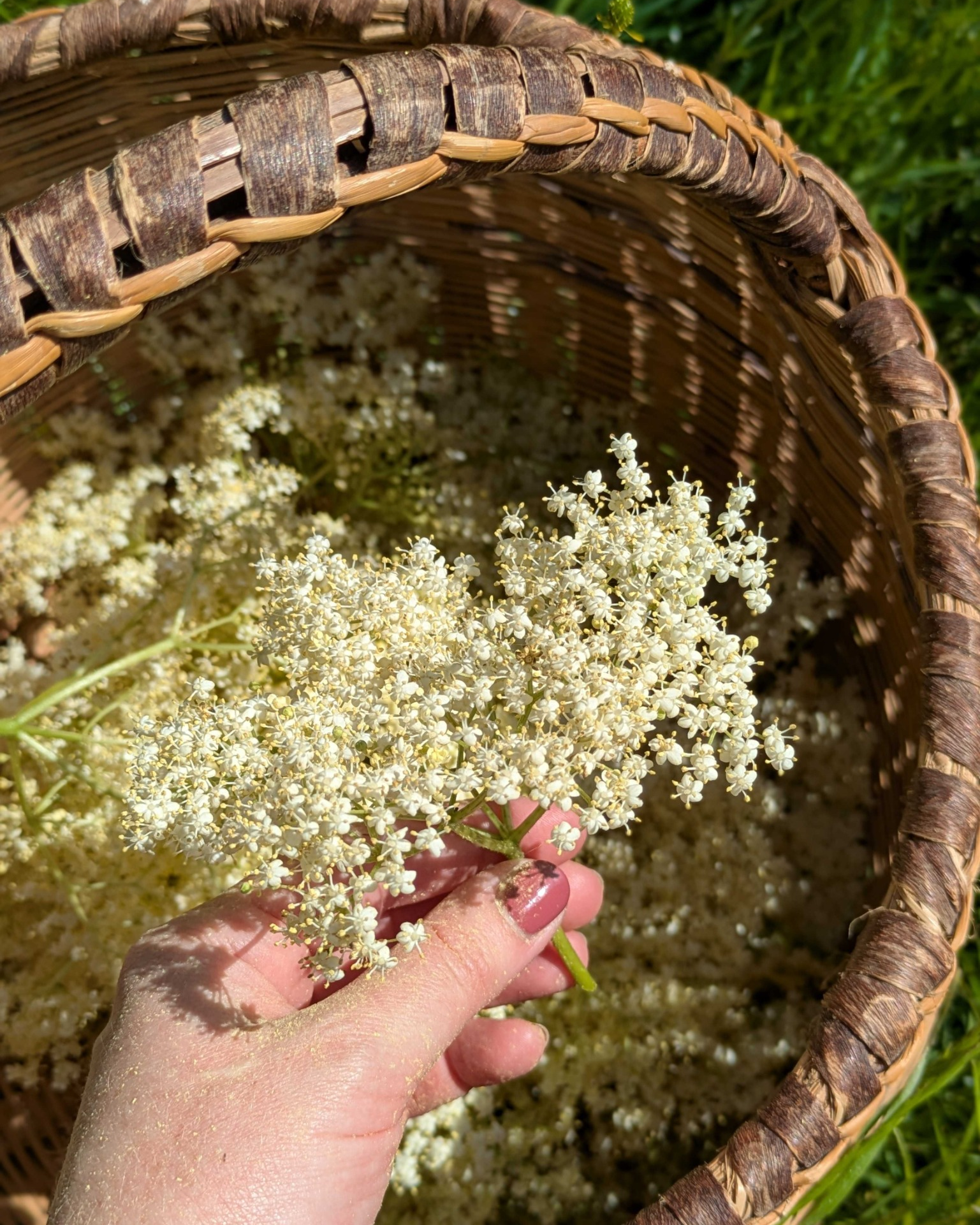
The best flower heads are freshly opened, fragrant and heavy with pollen, which is where much of the flavour comes from

I only pick what I need, leaving plenty of blossoms behind for pollinators and for the berries that will follow later in the autumn
Why Elderflower Cordial Feels So Special
Perhaps part of the appeal is that elderflower season is so brief. Unlike ingredients we can buy year-round, elderflowers demand a little attention. Miss the window and you'll need to wait another year.
It's a reminder to slow down and notice what's happening in the landscape around us.
At The British Blanket Company, we're always talking about seasonal living. We love finding small ways to embrace each season rather than rushing through it. Whether that's taking a wool picnic blanket to the park on the first warm day of the year or spending a Sunday afternoon making cordial from freshly picked elderflowers, these simple rituals help us feel more connected to the changing seasons.
Finding Elderflowers: When and Where to Look
In most parts of the UK, elderflowers are at their best from late May through to June, although timing varies depending on the weather.
Look for large flat clusters of creamy-white flowers growing on elder trees and hedgerows. They're surprisingly common once you know what you're looking for, appearing along footpaths, country lanes, woodland edges and open spaces such as Clifton Down.
How to Choose the Best Elderflowers
A few tips I've learned over the years:
- Pick flowers on a warm, dry day if possible.
- Mid-morning is ideal, after any dew has evaporated.
- Choose flowers that are fully open and creamy white.
- Avoid blooms that are turning brown or starting to fade.
- Leave plenty behind for wildlife and other foragers.
- Give the flower heads a gentle shake to remove any insects before placing them in your basket or bag.
One thing I try not to do is wash the flowers once they're home. Much of the flavour comes from the natural pollen, which can easily be rinsed away. A careful shake outdoors is usually enough.

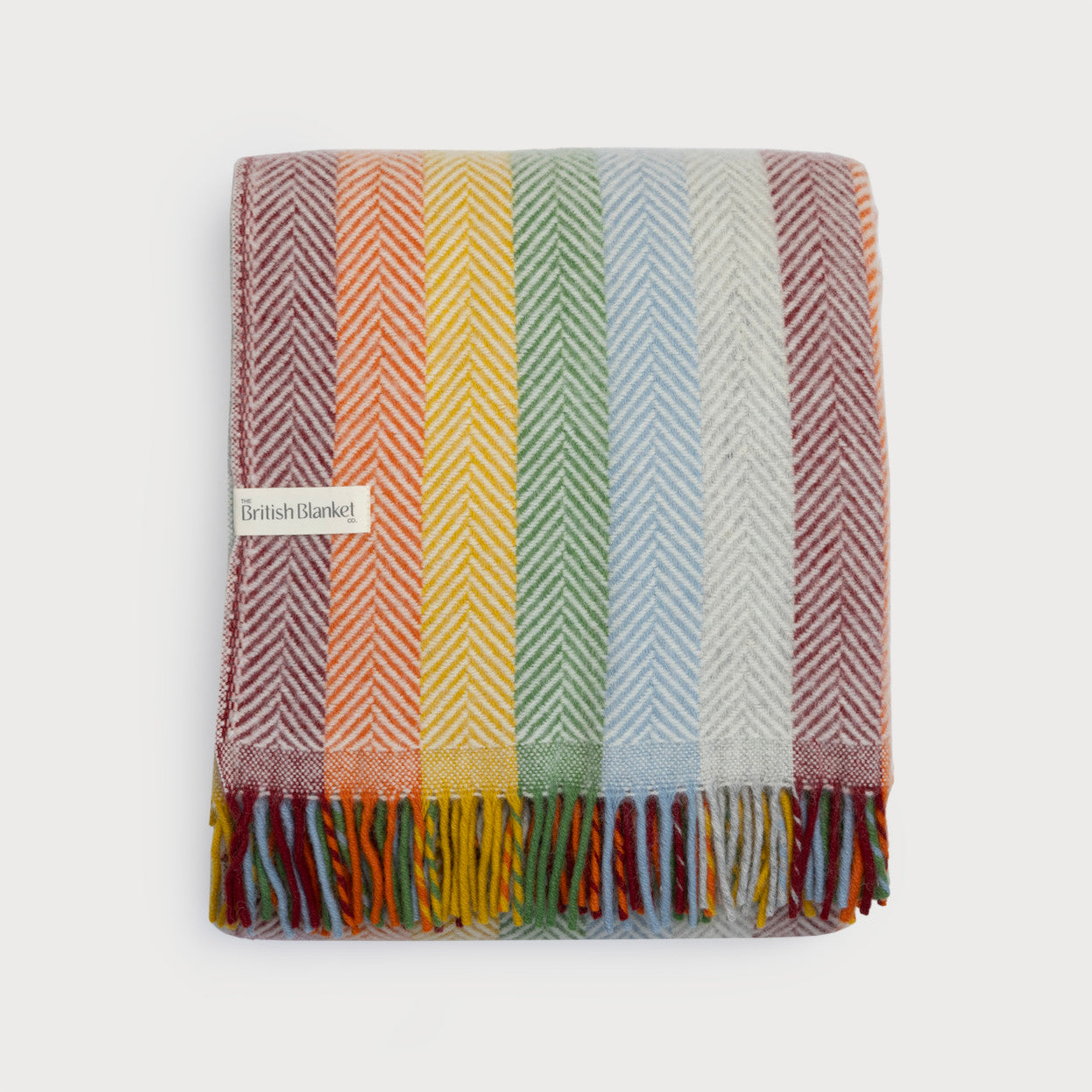
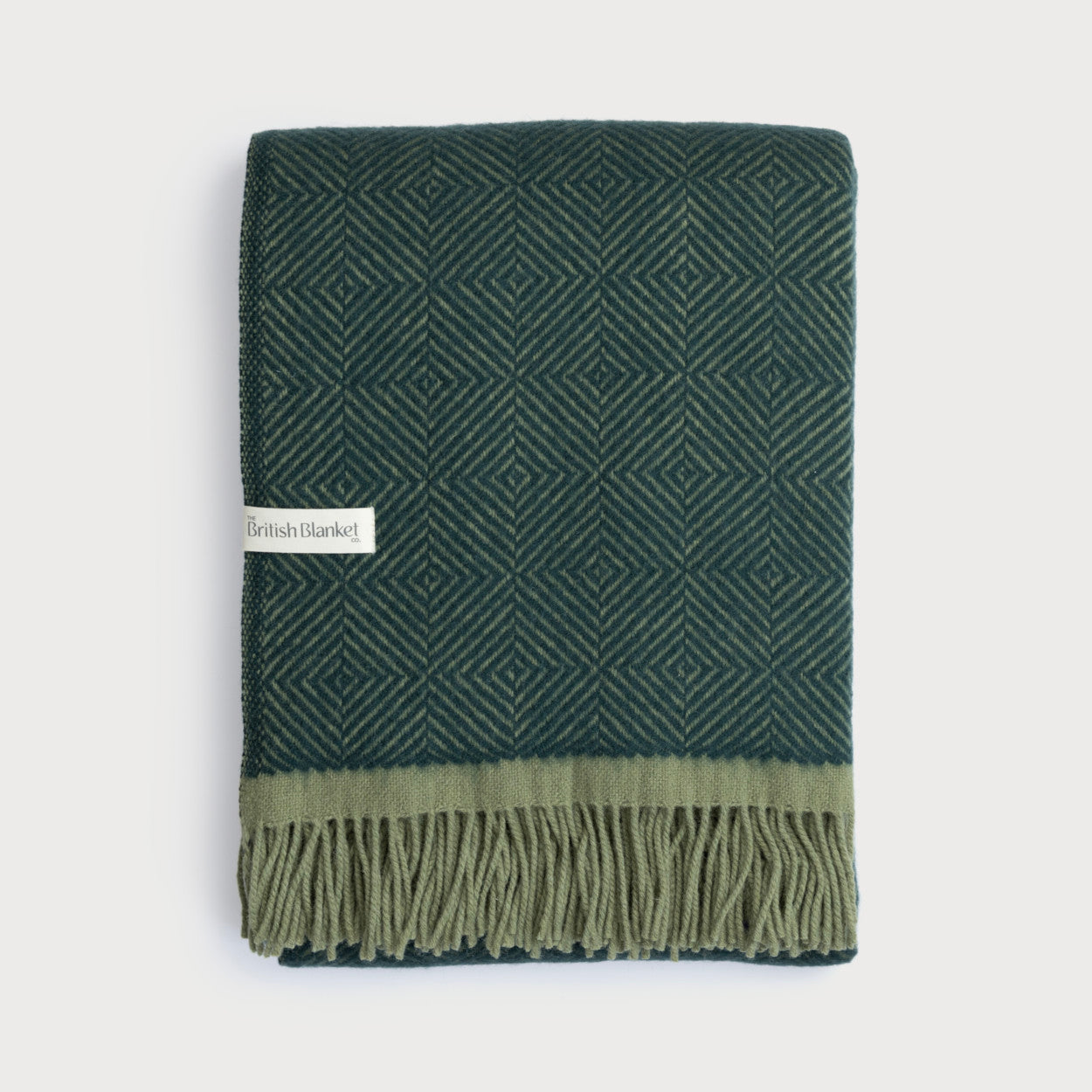
My companion on this year's trip was my trusty wool Random Recycled blanket, which made a lovely spot for Scout and I to relax on when our foraging was complete

It's best to collect elderflowers on a warm dry day, when they are heavy with flavoursome pollen. You can see all the pollen on my hand in this photo!
After an hour of gentle collecting, the basket was filled with enough elderflowers for several bottles of cordial
Above: Random Recycled Wool Blanket from The British Blanket Company
Elderflower Cordial Recipe
This recipe makes approximately 1.5 litres of cordial.
Ingredients
- Around 20 large elderflower heads or 30 small ones
- 2 unwaxed lemons
- 800g white caster sugar
- 25g citric acid
- 1.2 litres cold water
Method
- Carefully inspect the elderflower heads and gently remove any insects, but don't wash them.
- Squeeze the lemons and cut the squeezed-out skins into chunks
- Place the sugar into a large saucepan, add the cold water and heat very gently, stirring until fully dissolved.
- Add lemon juice and skins, and citric acid.
- Add the elderflower heads in the syrup mixture, petal-side down.
- Cover with a clean tea towel or lid and leave somewhere cool for 24 hours, allowing the flavours to infuse.
- Strain through a fine sieve lined with muslin
- Pour into sterilised bottles and seal (see tip below)

Back in the kitchen, the elderflowers are steeped with lemon and sugar to capture their delicate floral flavour

The finished syrup has a pale golden colour and tastes like a glass of summer. My favourite way to drink elderflower cordial is simply diluted with sparkling water, garnished with ice and a sprig of mint
Sterilising Bottles Properly
If you want your cordial to keep well, sterilising bottles is worth the extra few minutes. I reuse the same glass swing-top bottles each year.
Simple Sterilising Method
- Wash bottles thoroughly in hot soapy water.
- Rinse in hot clean water and remove the swing-top lids.
- Place bottles on a baking tray.
- Heat in an oven at around 140°C for 15 to 20 minutes.
- Leave to cool slightly before filling.
Alternatively, you can sterilise bottles using Milton sterilising fluid, according to the instructions on the bottle.
The Citric Acid Challenge
If you've ever made elderflower cordial before, you'll know that many recipes require citric acid.
This year, I discovered I'd forgotten to restock and only had around 25g left in the cupboard from last summer.
Finding citric acid isn't always as straightforward as it once was. Some larger supermarkets stock it seasonally, but many people now order it online or pick it up from specialist baking suppliers, home-brewing shops or pharmacies.
Fortunately, I found a recipe for Elderflower Cordial from Riverford Organic that uses significantly less citric acid than many traditional versions while still producing a beautifully fresh cordial with plenty of shelf life. If, like me, you're staring at the remnants of last year's packet, don't panic.
How to Store Elderflower Cordial
Once bottled, cordial should be stored somewhere cool and dark.
Unopened bottles typically keep for several months if properly sterilised and sealed. Once opened, I store mine in the fridge and try to use it within a few weeks.
If you've made a large batch, cordial freezes brilliantly. Either use plastic bottles and leave a little space at the top of the container to allow for expansion. Or, you can freeze it in an ice cube tray for individual portions.

Freshly picked elderflowers are surprisingly delicate, so I try to use them as soon as possible after gathering

Foraging feels wonderfully old-fashioned in the best possible way. A simple seasonal ritual that returns every spring
The Best Ways to Enjoy It
The classic option is still my favourite: a generous splash of cordial topped up with still or sparkling water and plenty of ice.
It's also lovely:
- Mixed with prosecco for parties
- Added to gin and tonic
- Drizzled into homemade lemonade
- Frozen into ice cubes for summer drinks
- Poured over fresh strawberries
A Little Bottle of Summer
There are plenty of reasons to love spring, but elderflower season has to be one of my favourites. It's a reminder that some of life's simplest pleasures are still the best: a sunny walk, a basket of flowers gathered by hand, and the satisfaction of turning them into something delicious to enjoy long after the blossom has disappeared.
If you've never made elderflower cordial before, this is your sign to give it a go before the season passes.