






If you’re shopping for a blanket in winter, warmth is probably top of your list. You want something that genuinely helps you feel cosy at home, not just something that looks good on the back of the sofa. The slightly confusing bit is that warmth isn’t only about thickness. It’s about how well a fibre traps heat, how it handles moisture, and how comfortable it feels once you’ve been wrapped up for a while.
So, which blanket is warmest for winter?
In most homes, alpaca blankets and wool blankets are the warmest options. Wool is the best all-rounder for everyday winter warmth, alpaca is brilliant if you want maximum warmth for the weight. Fine merino wool blankets often sit in the middle as a “best of both” option: wool warmth with a softer, lighter-feeling handle. If you prefer plant-based fibre textiles, our our Cloud Cotton blankets can be seriously cosy too, especially when they are specially finished with a lofted, brushed texture.
Below is a practical, real-life guide to choosing a warm blanket that's right for you.
Warmth 101: understanding what “warmest” actually means
A blanket feels warm when it:
-
traps pockets of air (air is the real insulator)
-
manages moisture (so you don’t get clammy, then chilly)
-
balances warmth with breathability (so you stay comfortable, not sweaty)
That’s why a lighter blanket can feel warmer than a heavier one if the fibre is doing the right jobs.
Here's more on the science behind why wool keep us both warm and cool.

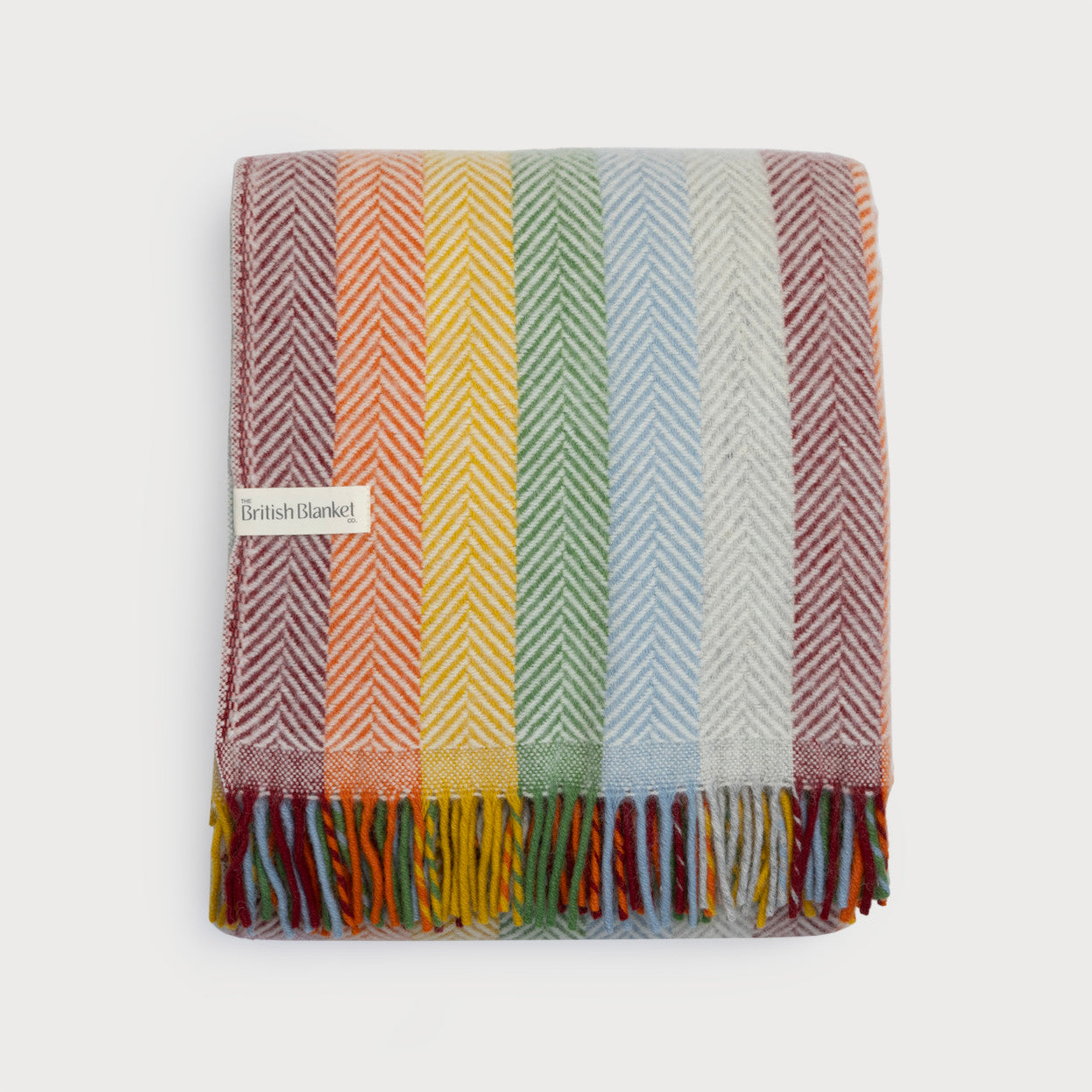
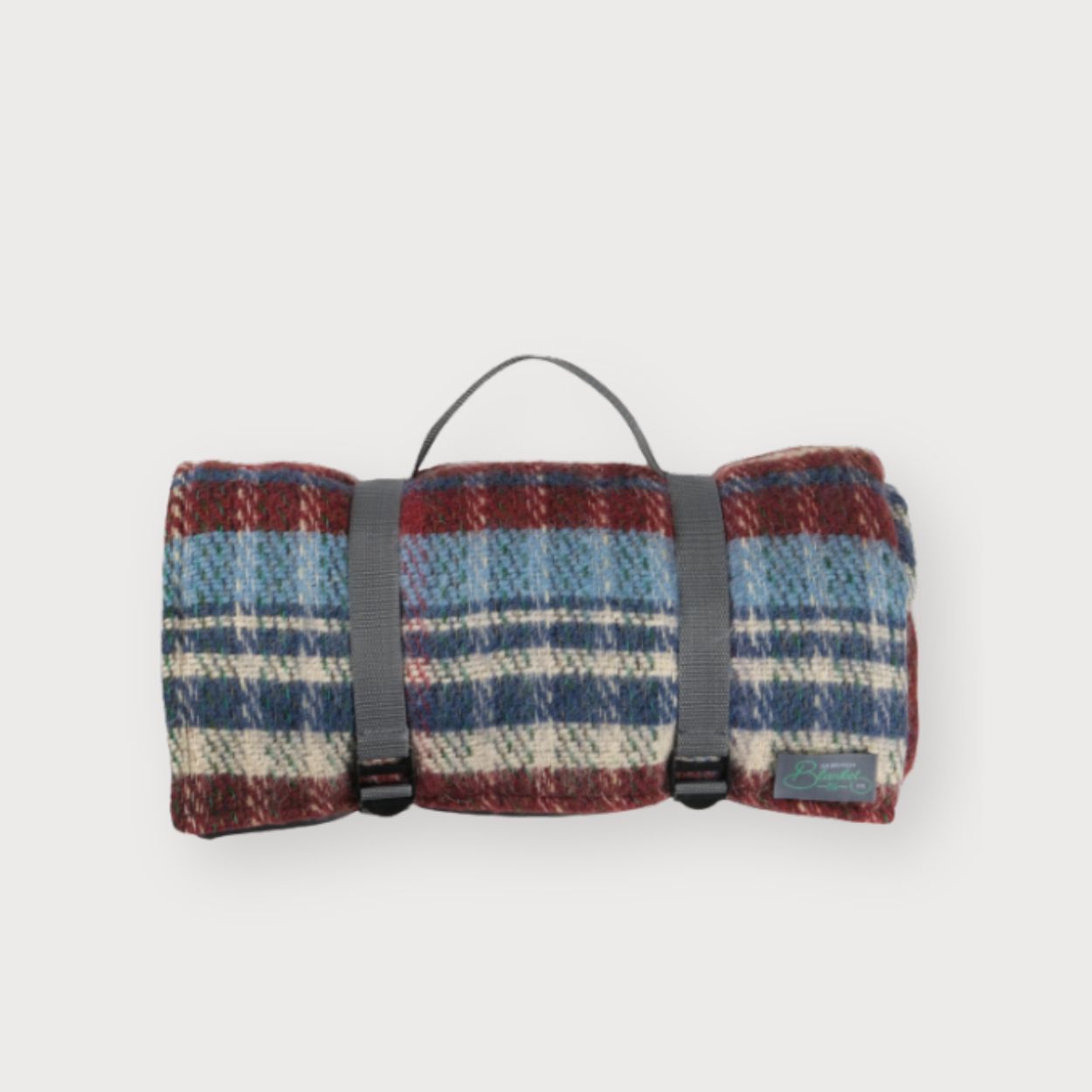
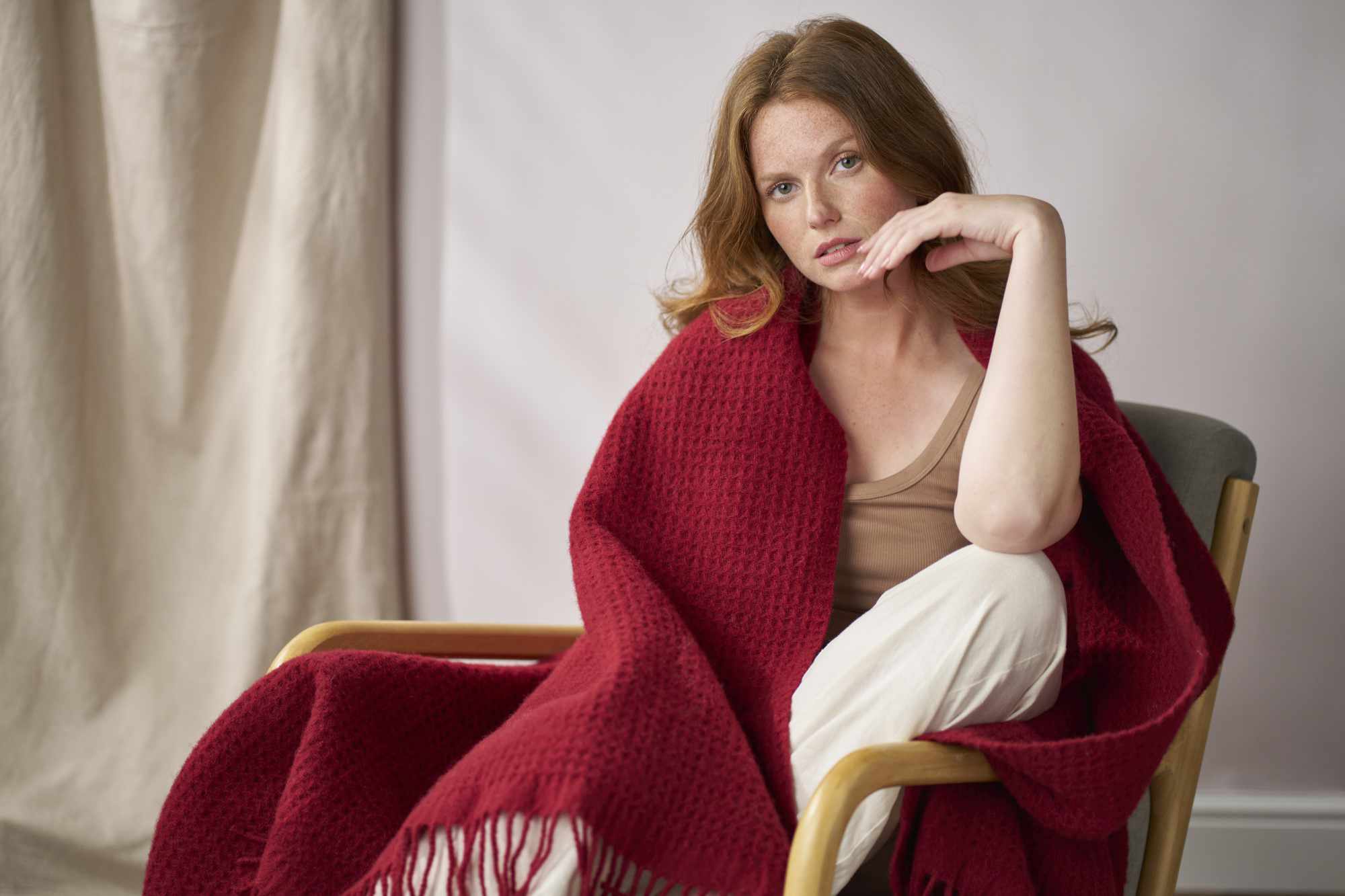
Pure wool blankets have a traditional thick feel that feels warm and snug. The British Blanket Company has a wide range of options, including wool herringbone, waffle and striped designs
Above: Clifton Herringbone wool blanket in Birdcage from The British Blanket Company
Wool blankets for traditional winter warmth
Wool is the classic winter fibre for good reason. It’s naturally insulating, breathable, and excellent at regulating temperature. That last bit matters more than people realise: wool can keep you warm without making you feel stuffy.
Why wool often wins for winter:
-
strong insulation: wool fibres create loft that traps heat
-
temperature regulation: warm when it’s cold, comfortable when rooms heat up
-
moisture management: helps you stay cosy rather than clammy
-
everyday practicality: a proper workhorse blanket for beds and sofas
Wool is usually the best choice if:
-
you want one blanket to live out all winter (bed, sofa, guest room)
-
your house runs cold or gets draughty
-
you like warmth, but you still want breathability

Merino sheep produce wool fibres that are long and fine, with a unique crimped structure. The crimping traps pockets of air even more effectively than regular wool, meaning that merino blankets are surprisingly warm, considering their light weight
Above: Merino Check Wool Blanket in Hyacinth from The British Blanket Company
Merino wool: the “best of both” for warmth and softness
If standard wool is the dependable all-rounder, merino is the smoother, softer option that still holds onto warmth. It’s often a great middle ground between alpaca’s lightweight softness and wool’s classic winter insulation.
Why merino can feel like “best of both”:
-
softer handle: merino fibres are typically finer, so they feel gentler against skin
-
naturally insulating: still very much a cold-weather fibre
-
crimped fibre structure: merino fibres have natural crimp (a wave-like shape) which helps them spring back and trap tiny pockets of air, boosting insulation without needing loads of bulk
-
breathable and regulating: warm when you want it, less likely to feel stifling when the heating’s on
Merino is usually the best choice if:
-
you love the idea of wool warmth but want a softer feel
-
you want a blanket that’s cosy yet not heavy
-
you’re buying a “do-it-all” winter blanket and want it to feel especially inviting

Smooth and silky to the touch, alpaca blankets are a luxurious choice. They are also a perfect option for people with sensitivities for wool as the fibres and long and non-itchy, as well as being free from lanolin
Above: 100% Alpaca blankets in Heather and Golden Moss from The British Blanket Company
Alpaca blankets for light winter warmth
If you want warmth without a heavy, bulky feel, alpaca is the one to look at. Alpaca fibres are hollow, which helps them trap heat exceptionally well for their weight.
Why alpaca can feel warmer than wool:
-
high warmth-to-weight ratio: lots of insulation, less bulk
-
beautifully soft and lanolin-free (often a big tick for sensitive skin)
-
cosy without being smothering: great if you want warmth but dislike a heavy blanket
Alpaca is usually the best choice if:
-
you feel the cold and want maximum warmth
-
you want a lighter blanket that still performs in deep winter
-
you like a softer, smoother feel against skin

Our beautiful Cloud Cotton blankets have a brushed surface that creates a super-soft feel and thickness that's reminiscent of fleece, but with the added benefit of being natural and breathable
Above: Cloud Cotton Blanket Tide in Butter from The British Blanket Company
Recycled cotton blankets designed for winter comfort
Cotton has a reputation for being light and cooling, and that’s often true. But not all cotton blankets behave the same, and our Cloud Cotton blankets are a great example of why.
The Cloud Cotton collection is made from 80% recycled cotton and finished in a way that completely changes the feel. The surface is brushed to a fluffy, lofty texture using thousands of tiny metal combs, which gently lift the fibres and create a thickness that’s closer to fleece in softness and cosiness. The key difference is that you get that cocooning, cloud-like comfort of fleece, without all the downsides of synthetic fibres.
Why Cloud Cotton can be really cosy in winter:
-
lofty, brushed finish: the raised surface helps trap warm air for a snug feel
-
thick and soft like fleece: but made from recycled cotton fibres rather than plastic
-
breathable comfort: cosy to snuggle under, but still comfortable in heated homes
-
great for layering: use it over a duvet, or add a wool or alpaca throw on top when it’s properly cold
Cloud Cotton is usually the best choice if:
-
you love the idea of a soft, fluffy blanket but want to avoid synthetic fleece
-
you want an everyday winter blanket for the sofa (especially for long evenings in)
-
you prefer warmth that feels cocooning, but not overly heavy
-
you want a recycled-fibre option that still delivers on “winter cosy”

Choosing the best warm winter blanket is very much a personal choice. Some people love the traditional thickness of wool, while others prefer the lightness of merino or alpaca, or the breathability of cotton
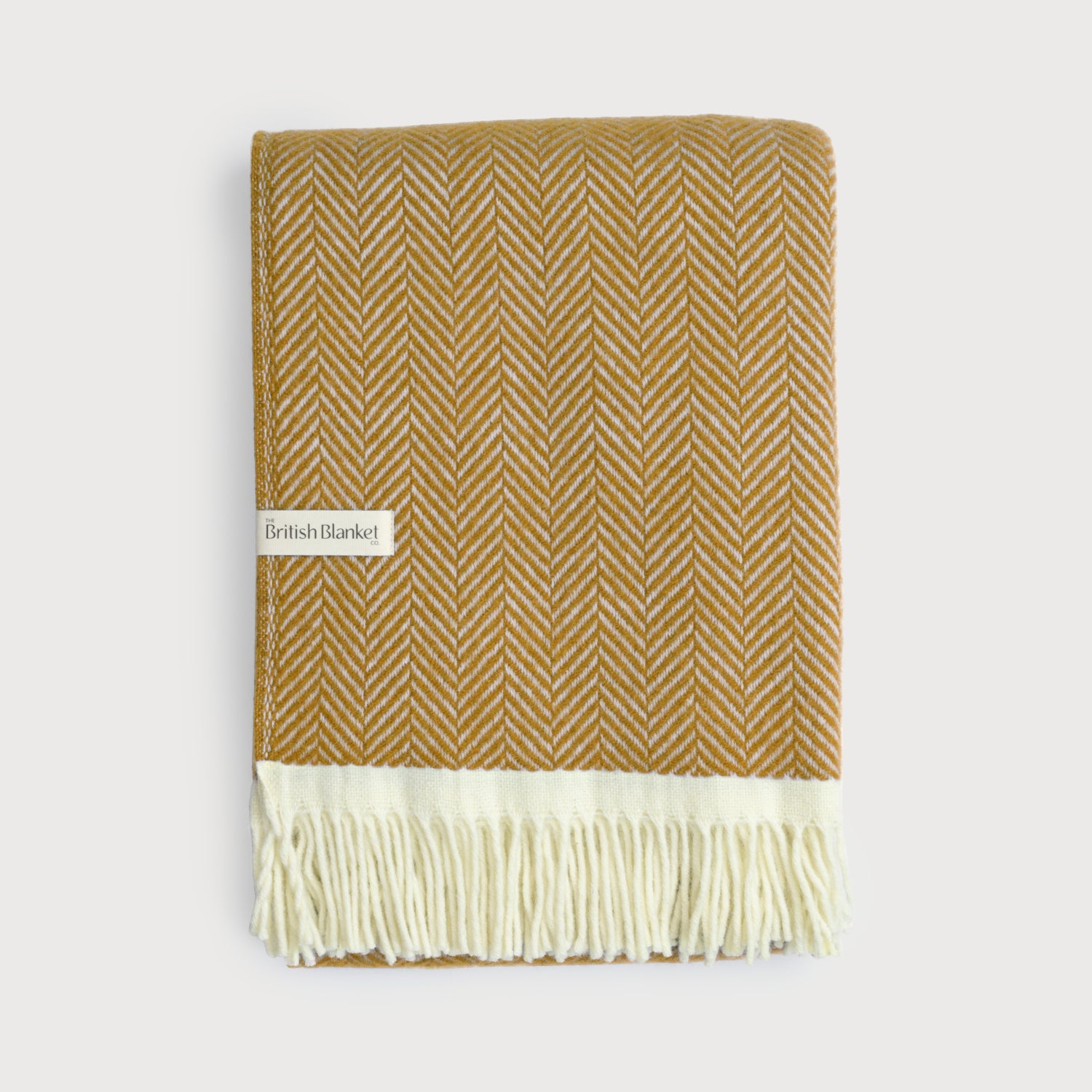
Above: Clifton Herringbone wool blanket in Spiced Cider from The British Blanket Company
So, which is warmest: the honest ranking
If we’re talking pure winter warmth, assuming similar blanket sizes:
Wool (warmest all-rounder)
Alpaca (warmest for the weight)
Merino wool (similar warmth to wool, but with a softer, lighter handle)
Recycled cotton (if you choose cotton with a brushed finish)
Remember, any of these blankets could be the best one for you depending on your personal preferences around thickness, weave, and finish. But the reassuring bit is that everything you’ll find at The British Blanket Company is made to feel properly warm, because we work with natural fibres that insulate in a way synthetics rarely match. Wool, merino and alpaca trap heat by holding pockets of air, so the warmth feels breathable and steady, not plasticky or sweaty. Different natural fibres give you different types of warmth, but they’re all designed to keep you genuinely snug through winter.
And, you're always welcome to contact our helpful team for more advice!
Choose your winter blanket based on real life
Pick wool if:
-
you want one dependable winter blanket for sofa and bed
-
your home is chilly, older, or prone to draughts
-
you like warmth with breathability
Pick merino if:
-
you want wool warmth with a smoother, softer feel
-
you prefer cosy-but-not-heavy
-
you want a true everyday winter blanket that feels extra inviting
Pick alpaca if:
-
you want maximum warmth without a heavy feel
-
you’re someone who feels the cold easily
-
softness against skin is a top priority
Pick Cloud Cotton if:
-
you want a fluffy, fleece-like feel without synthetic fleece
-
you like cocooning comfort for the sofa and slow winter days at home
-
your house is well heated and you want breathable cosiness
-
you love the idea of layering for flexible warmth

The British Blanket Company stocks the widest selection of natural wool and merino blankets in XL sizes, so you won't need to fight over the blanket if you have a king-size bed!
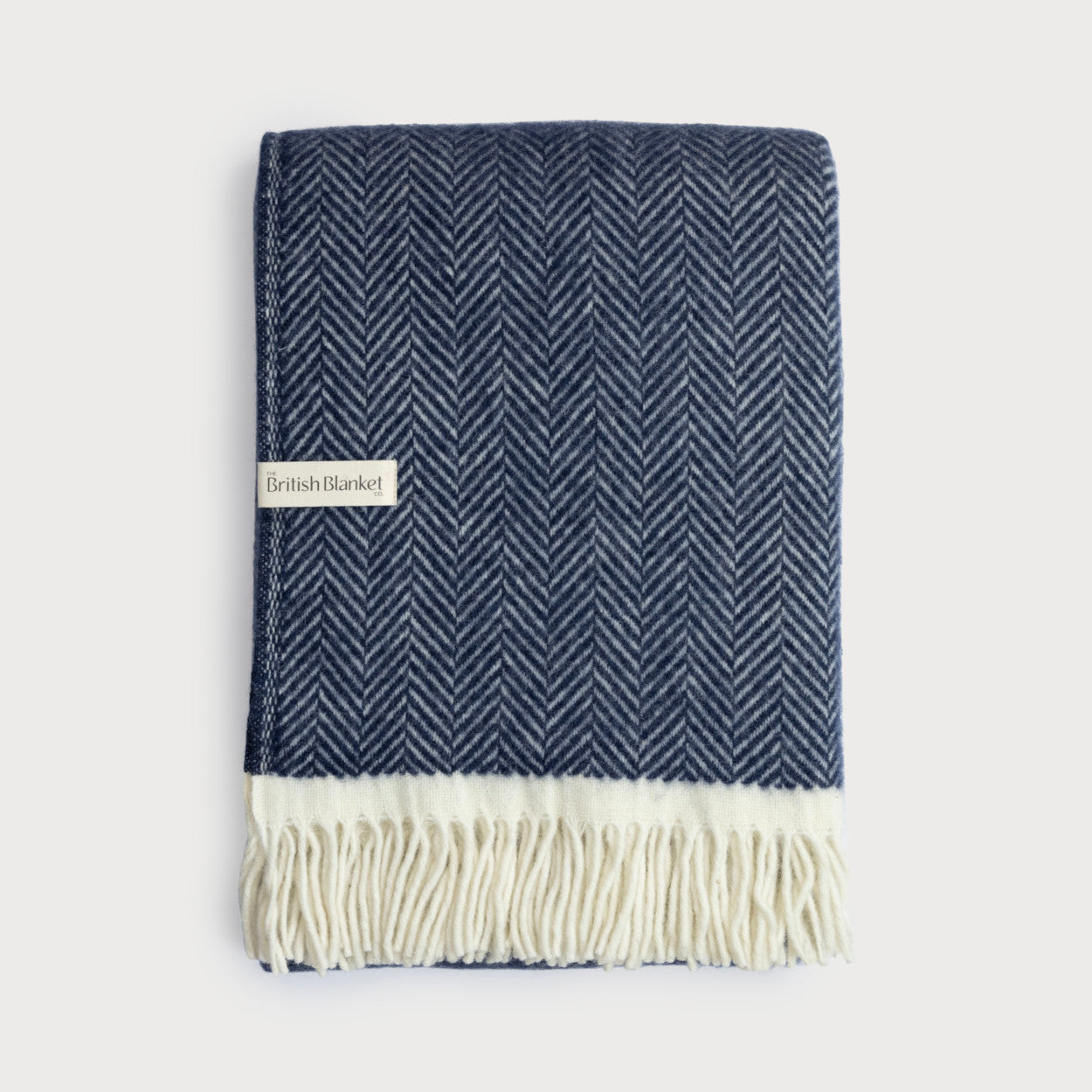
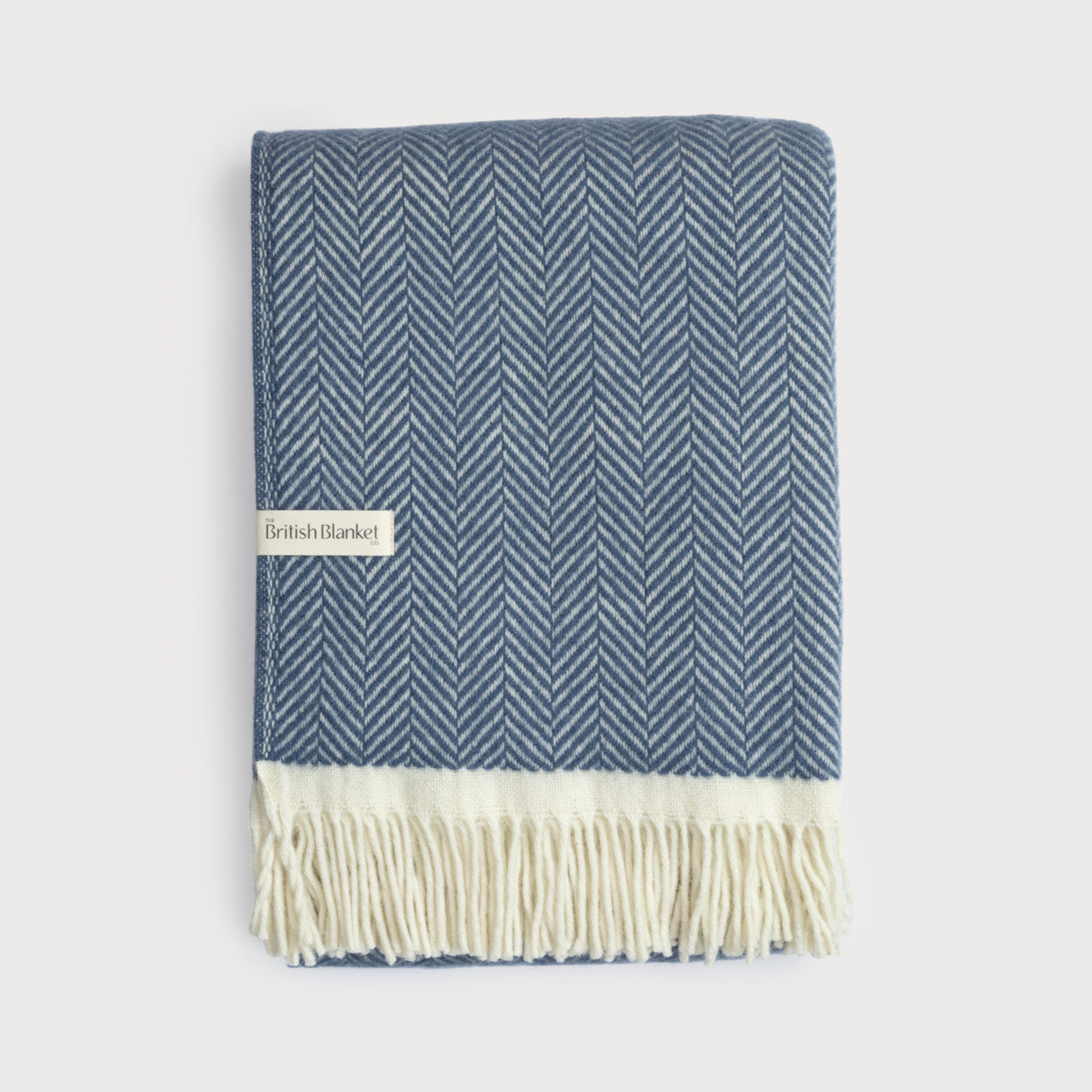
Above: Merino Herringbone Blanket in Navy Blue from The British Blanket Company
Warmth isn’t just fibre: 4 details that matter
Even within the same material, blankets can perform differently. These factors make a real difference:
-
size: a blanket that’s too small lets heat escape (especially on beds). For winter, consider our XL blanket range so you can properly tuck in that warm air.
-
weave and loft: loftier finishes trap more air and feel warmer. This is where brushed finishes (like Cloud Cotton) really come into their own.
-
layering approach: Cloud Cotton plus a wool or alpaca throw can feel beautifully warm, and you can adjust easily as temperatures change.
-
how you use it: sofa blankets often need to be warmer than bed blankets because you’re usually sitting still rather than tucked under a duvet.
The quick summary!
If you want the softest winter blanket and you feel the cold, go alpaca.
If you want the best all-rounder that works across winter days and nights, go wool.
If you want a “best of both” option with wool warmth and a softer feel, go merino.
If you want a fleecy feel (without synthetics), Cloud Cotton the surprise winner.