

If you are a Netflix fan, you have probably come across The Plastic Detox. Textiles are not always the first things we associate with plastic. We think of bottles, food packaging and the unruly collection of containers spilling out of a kitchen cupboard. Yet polyester and acrylic are forms of plastic too, and they are found in many of the blankets, throws, duvets, pillows and clothes we use every day.
That realisation could easily prompt a rather expensive clear-out. But after the initial panic wore off, I acknowledged that replacing perfectly useful things simply because a documentary has made us look at them differently would be both wasteful and unrealistic. A more sensible response is to become curious about materials, then make thoughtful choices as and when something needs replacing.
Perhaps that means choosing linen bedding next time, checking the label on a new jumper or buying one good wool blanket rather than another synthetic fleece throw. A plastic detox does not have to begin with a bin bag. It can start with knowing what is on your bed.
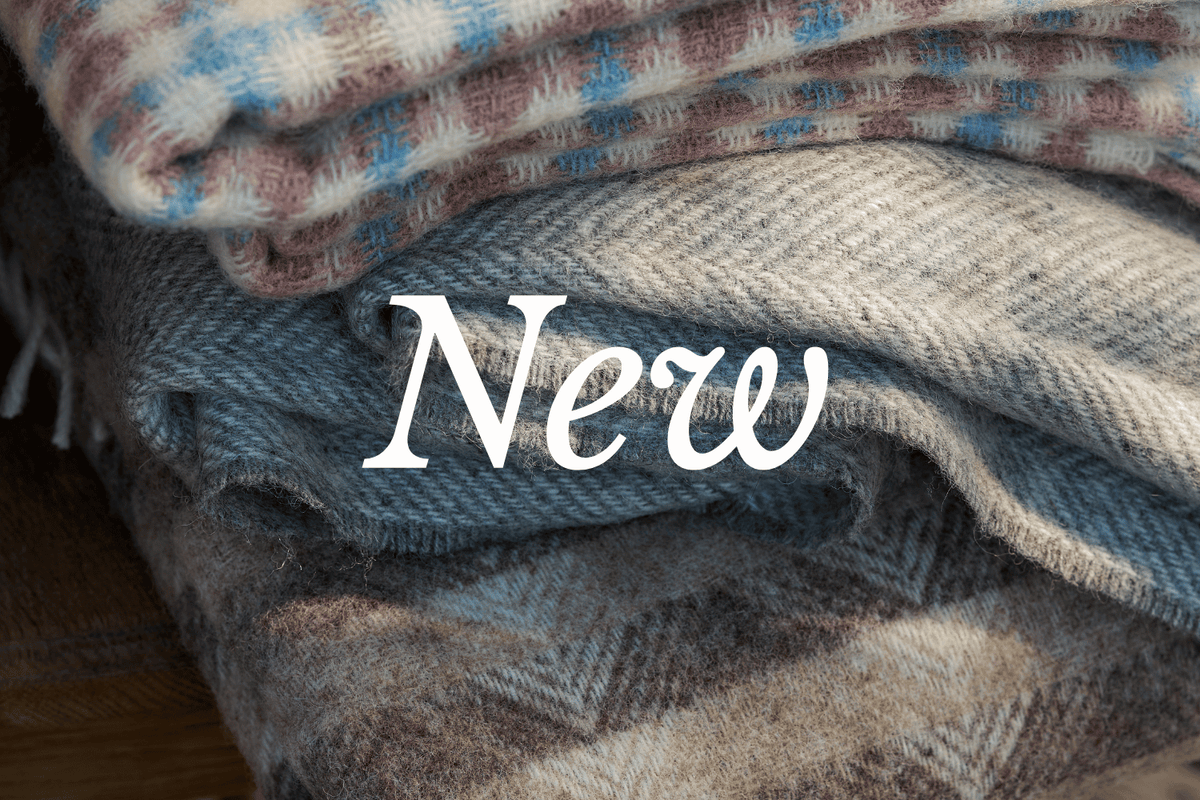
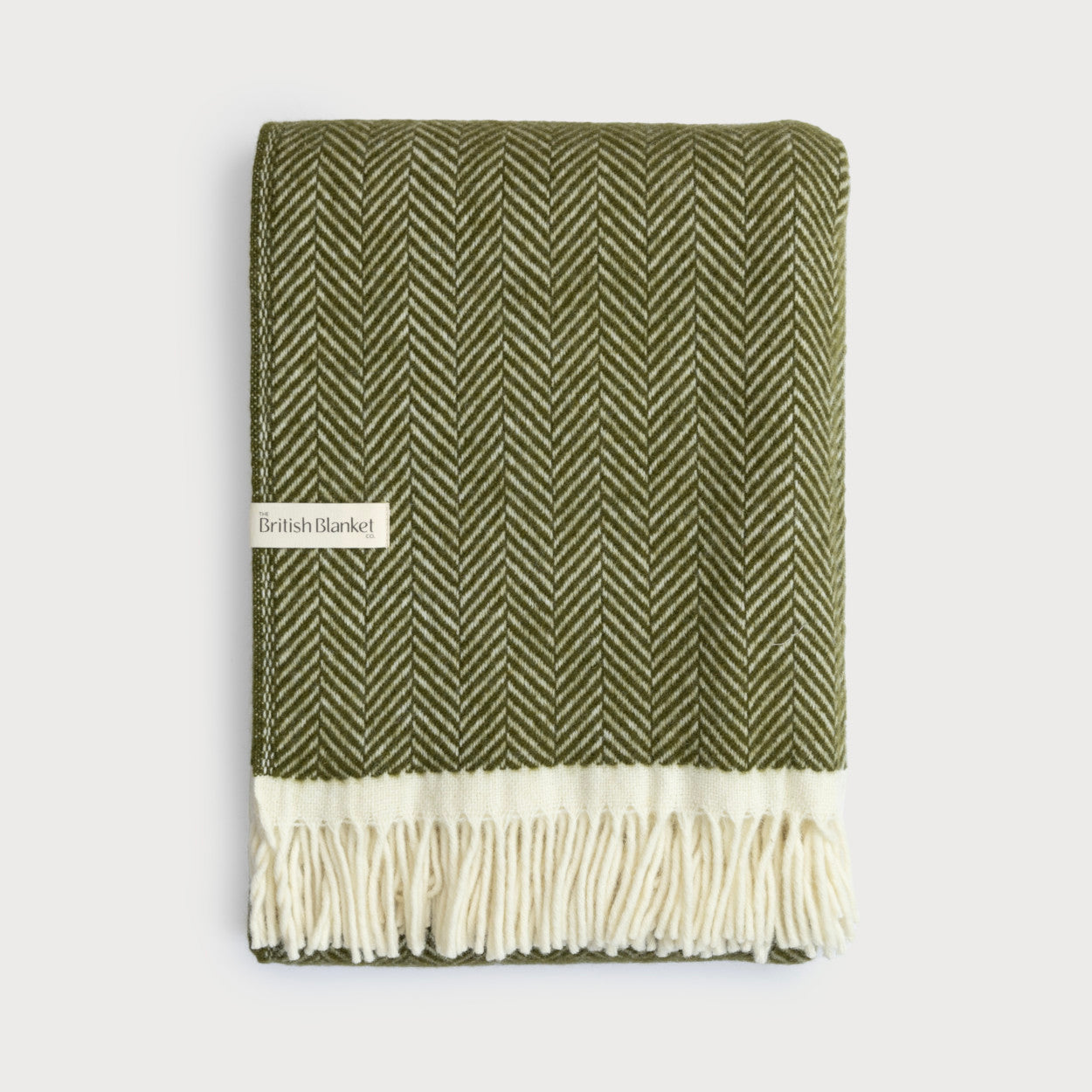
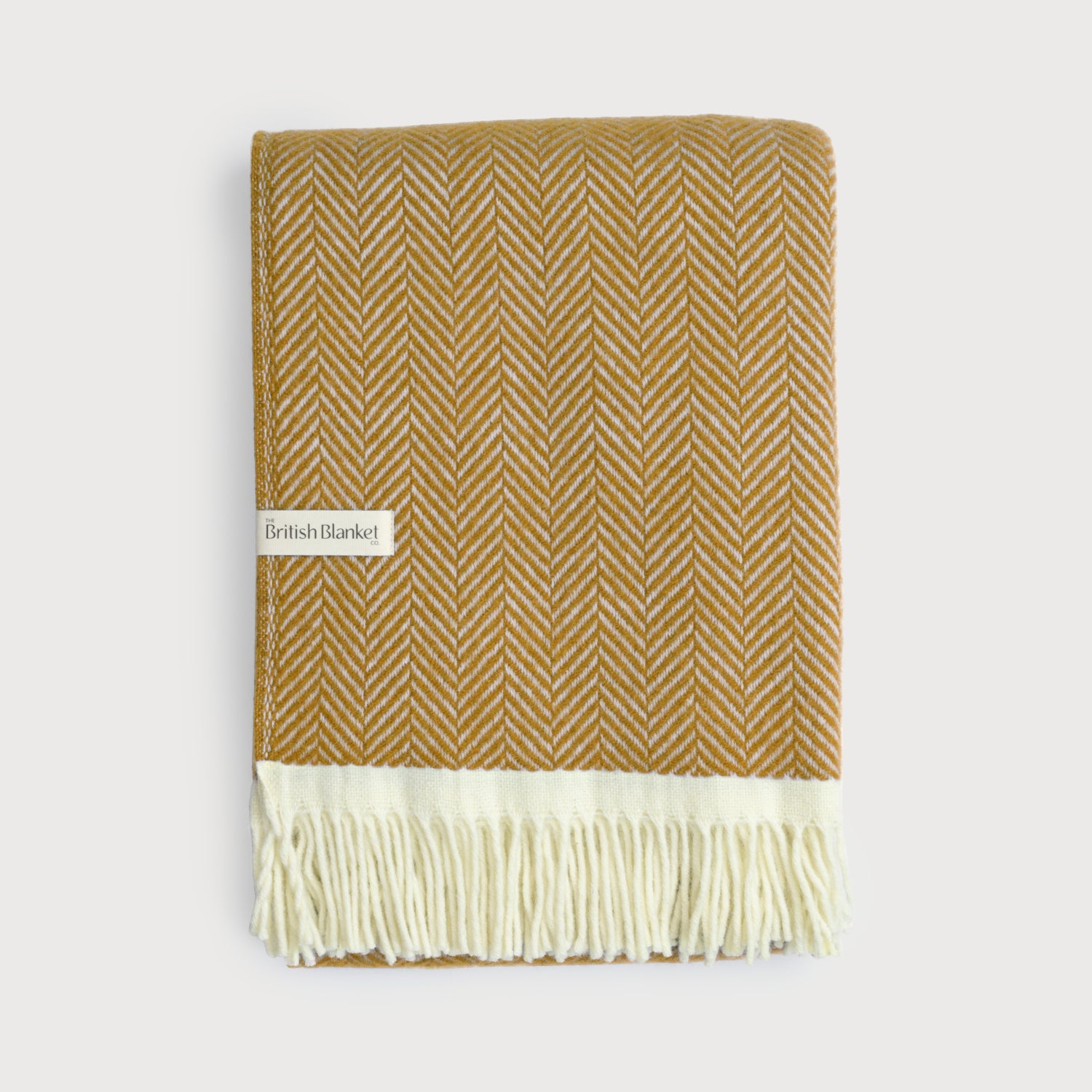
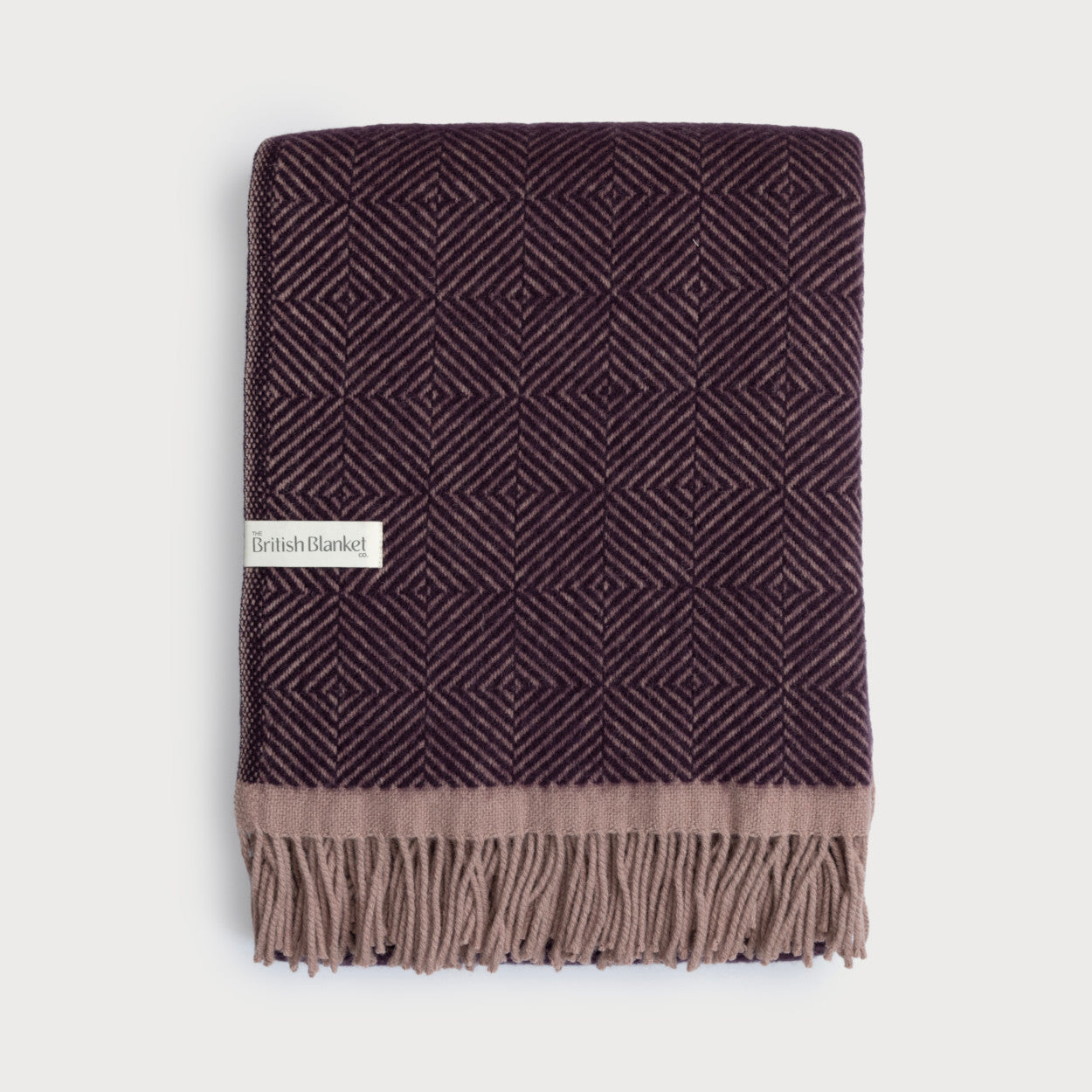
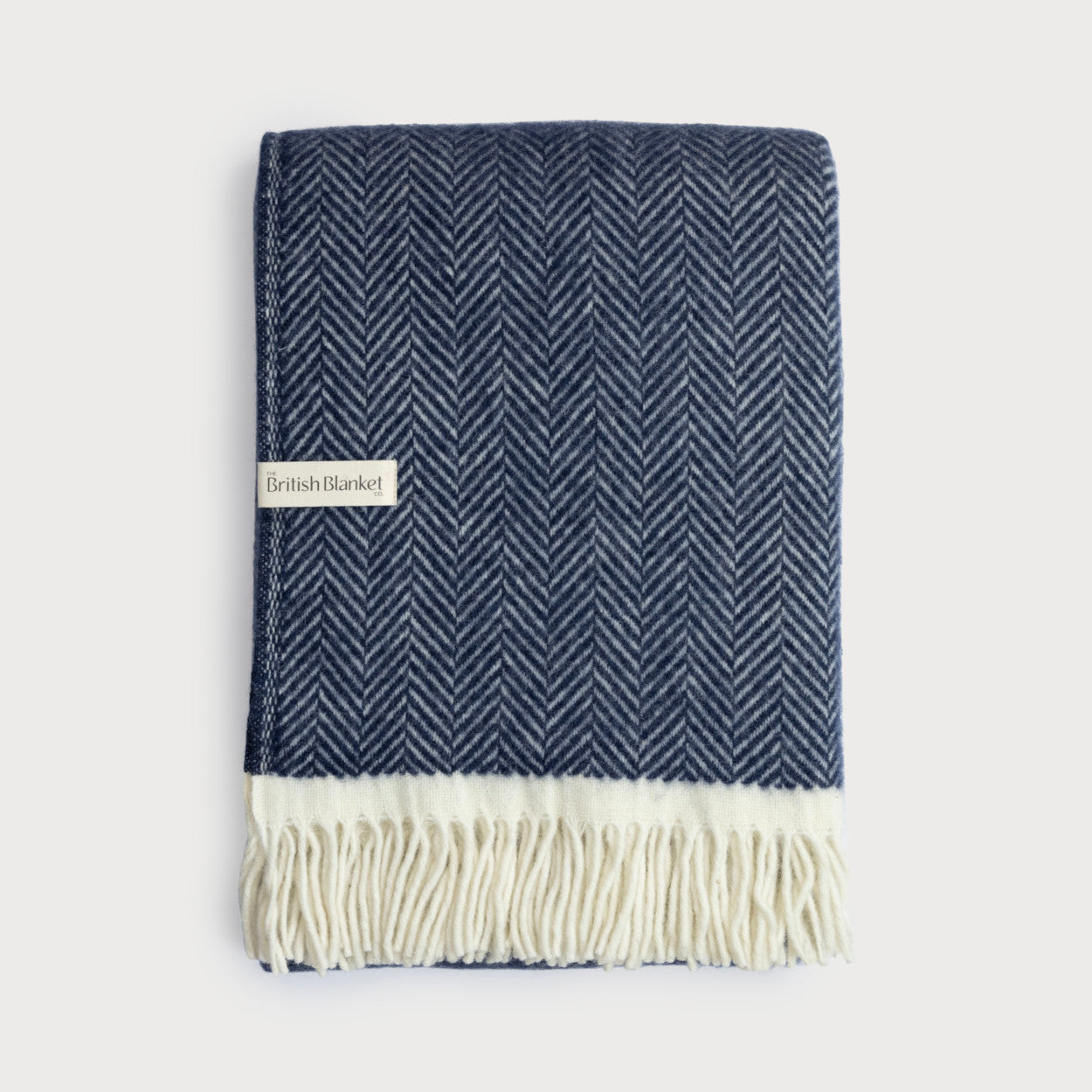
 Featuring Clifton Herringbone in Blaise
The plastic we forget about
Netflix’s The Plastic Detox follows six couples as they spend three months reducing their exposure to plastics and plastic-associated chemicals. The documentary travels through kitchens, bathrooms and wardrobes, drawing attention not only to obvious plastic objects but to the less visible places in which synthetic materials have become part of everyday life.
The textiles in our homes are a good example. A blanket may look soft and fleecy, but turn over the label, and it could be made from polyester. A chunky knitted throw might be acrylic. Easy-care, non-iron bedlinen contains polyester too. These fossil-fuel-derived raw materials feel far removed from a drinks bottle or takeaway tub, but their environmental impact can be equally harmful.
This is not an argument for marching through the house and condemning every synthetic fibre on sight. There may be perfectly practical reasons for owning particular items, and anything already in use is generally better kept and cared for than hastily discarded. It is simply worth knowing what things are made from. Labels have a habit of becoming much more interesting once you begin reading them. Blankets and bedroom textiles also make a manageable place to start because the fibre composition should be on the label.
Bedding and blankets sit against the body for hours, sometimes every night. It needs to provide warmth without making the bed feel stifling, cope with the odd cup of tea and remain useful through years of winter evenings, Sunday naps and chilly mornings. Natural fibre blankets have qualities that make sense in daily life, not merely on an environmental checklist.
Don’t panic: a plastic detox is not a house clearance
The science surrounding microplastics and plastic-associated chemicals is developing rapidly, but it is also complex. Researchers do not agree on every possible effect, the level of risk posed by every source or the extent to which one small change alters an individual’s health.
The documentary itself follows only six couples, and Netflix’s subsequent account acknowledges that it was not a formal scientific study. Documentaries must also turn a large and evolving body of research into a story that can be understood in 90 minutes. Inevitably, some complexity is lost along the way.
Acknowledging those limitations does not mean dismissing the subject. It simply allows us to respond with a level head. We do not need absolute certainty about every possible outcome before deciding that drinking from a reusable bottle, avoiding hot food in plastic containers, or choosing natural fibres when we replace household textiles feels sensible.
Dr Shanna Swan, the environmental and reproductive epidemiologist featured in the film, puts the more encouraging side of the documentary rather well: “I think it empowers people to know that they can do things to protect themselves, at least if not completely, to a large extent.”
There is something useful in that “not completely”. It removes the impossible standard. Few people can eliminate plastic from a modern home, nor should anyone feel that a forgotten polyester cushion or plastic lunchbox represents a personal failure. The aim is to notice where straightforward changes are available and begin with the ones that fit comfortably into real life.
The Oceanic Preservation Society’s Plastic Detox campaign takes a similarly practical approach, offering room-by-room ideas rather than suggesting that every household should become plastic-free overnight. That feels far more achievable than standing in the kitchen at 10 o’clock at night, newly suspicious of the toaster.
 Glass jars can have many lives after their initial intended one; the possibilities are endless!
The small changes that stick
I have a habit of keeping every glass jar: jam jars, olive jars, all kinds of jars! Some food storage, some hold spare buttons, some I use to take cereal to work. Even though I began because I like the way they look, it turned into a small sustainable change for me. Many of us carry the same water bottle each day, use canvas shopping bags, keep leftovers in a glass dish or mend a favourite jumper because we cannot find another one quite like it.
A realistic plastic detox might begin in the kitchen by avoiding heating food in plastic tubs, and continue in the bathroom with a refillable product. When a synthetic duvet cover wears out, its replacement could be cotton or linen, and when the old sofa throw finally becomes more hole than blanket, that might be the moment to consider wool.
Making changes gradually also gives us time to choose well and work within our budget. Natural does not automatically mean durable, responsibly produced or right for the job. It is still worth looking at where something was made, what it is made from, how it should be cared for and whether it is likely to suit the way you live.
If you are comparing a wool vs polyester blanket, the most obvious distinction is the raw material. Polyester is a synthetic, petroleum-derived fibre. Wool is a natural fibre grown by sheep and shorn as the fleece renews.
That matters if the intention is to reduce synthetic materials at home, but it is only part of wool’s appeal. People were weaving wool into clothes, bedding and blankets long before anybody coined the phrase “plastic detox”. It has remained useful because its structure is remarkably well suited to comfort.
Wool fibres create natural pockets of air within the finished fabric which help a blanket retain warmth without needing to feel smothering. The fibre can also absorb and release moisture vapour, which is why breathable wool blankets tend to feel comfortable across changing temperatures. They provide a reassuring layer on a cold night but are less likely to create the clammy feeling associated with a dense synthetic fleece.
This temperature-regulating quality is particularly useful in British homes, where the weather rarely consults the calendar. The many heatwaves this summer are a worrying example of just how extreme our weather can get! Wool responds rather better to shifts than a non-breathable textile that traps sweat.
It is helpful in bedrooms too. A blanket is often added for extra warmth in winter, yet it may stay on the bed through spring and into cooler summer nights. A breathable natural layer offers flexibility: pull it over the duvet when needed, fold it at the foot of the bed when it is not.
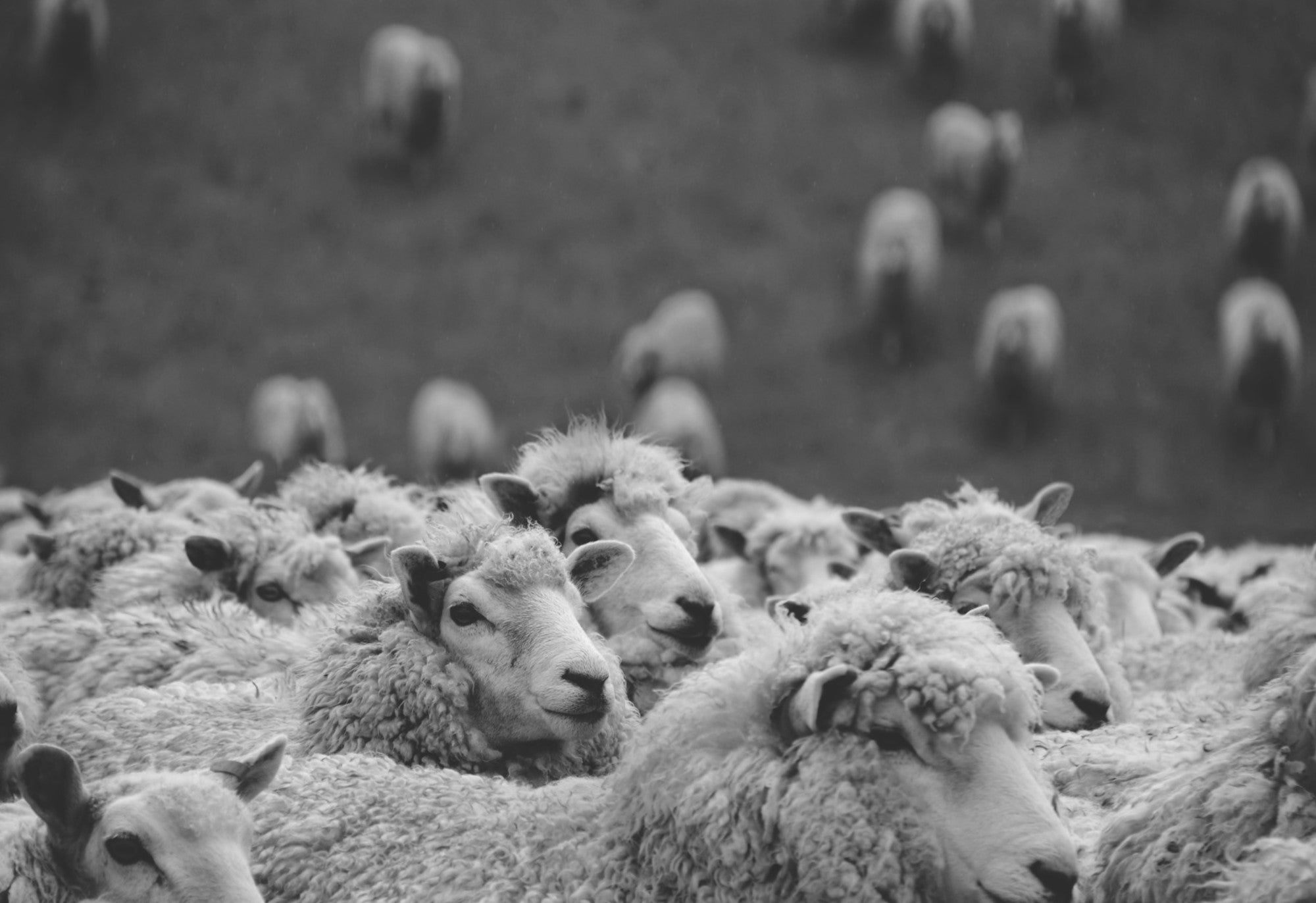
 Wool's natural fibres make it the perfect companion all year, for sheep and humans alike!
Why wool has never gone out of fashion
Practicality explains much of wool’s staying power, but not all of it. Wool has a character that synthetic copies struggle to reproduce. There is depth to the colour, a slight irregularity to the fibres and a way of softening with use. It belongs in rooms that are lived in, rather than looking as though it must be arranged perfectly before anybody sits down.
Wool is renewable because sheep grow a new fleece, and an untreated pure wool fibre can biodegrade under the right conditions at the end of its useful life. By contrast, synthetic textile fibres do not biodegrade in the same way. All textiles can shed fibres during use and care, but naturally biodegradable fibres do not persist as plastic microfibres.
Durability is just as important. A natural material is not particularly helpful if it is poorly made and replaced every other year. Wool fibres have natural elasticity, allowing them to bend and recover, while a well-woven blanket can withstand decades of ordinary use when cared for properly.
The British Wool guide to making a plastic detox through natural fibres suggests choosing wool blankets instead of synthetic fleece when replacements are needed. It is a small recommendation, but a good one. A blanket is simple enough to understand, useful enough to justify its place and durable enough for the choice to matter over time.
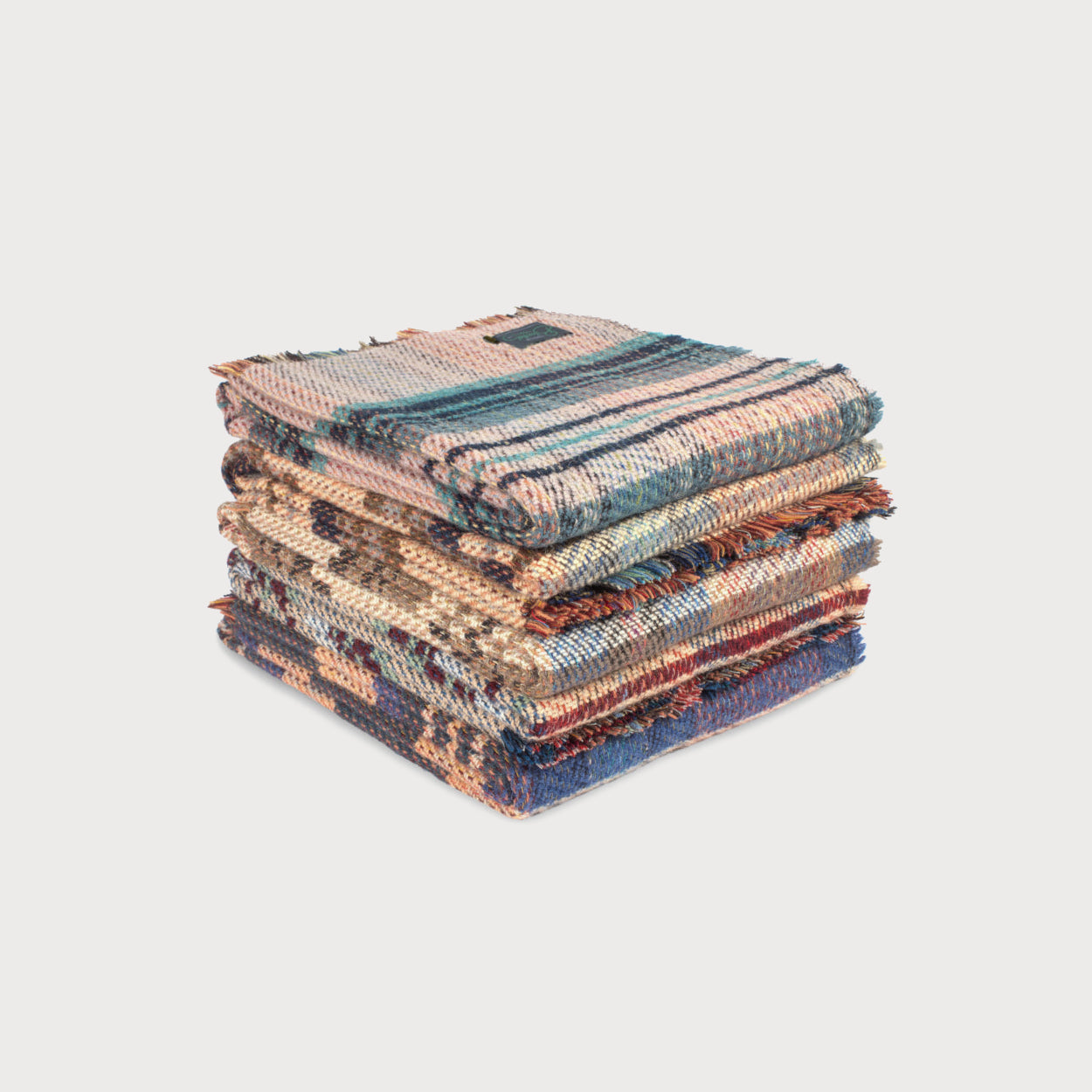
 Our sustainable recycled blanket range breathes new life into remnant wool yarns
Choosing the right natural wool blanket
Not all wool blankets feel the same, and “natural” does not narrow the choice quite as much as you might expect. The breed, fineness of the fibre, yarn, weave and finishing process all influence how a blanket feels and behaves. The right one depends less on which fibre sounds most impressive and more on when, where and how you plan to use it.
Pure wool: traditional warmth for everyday life
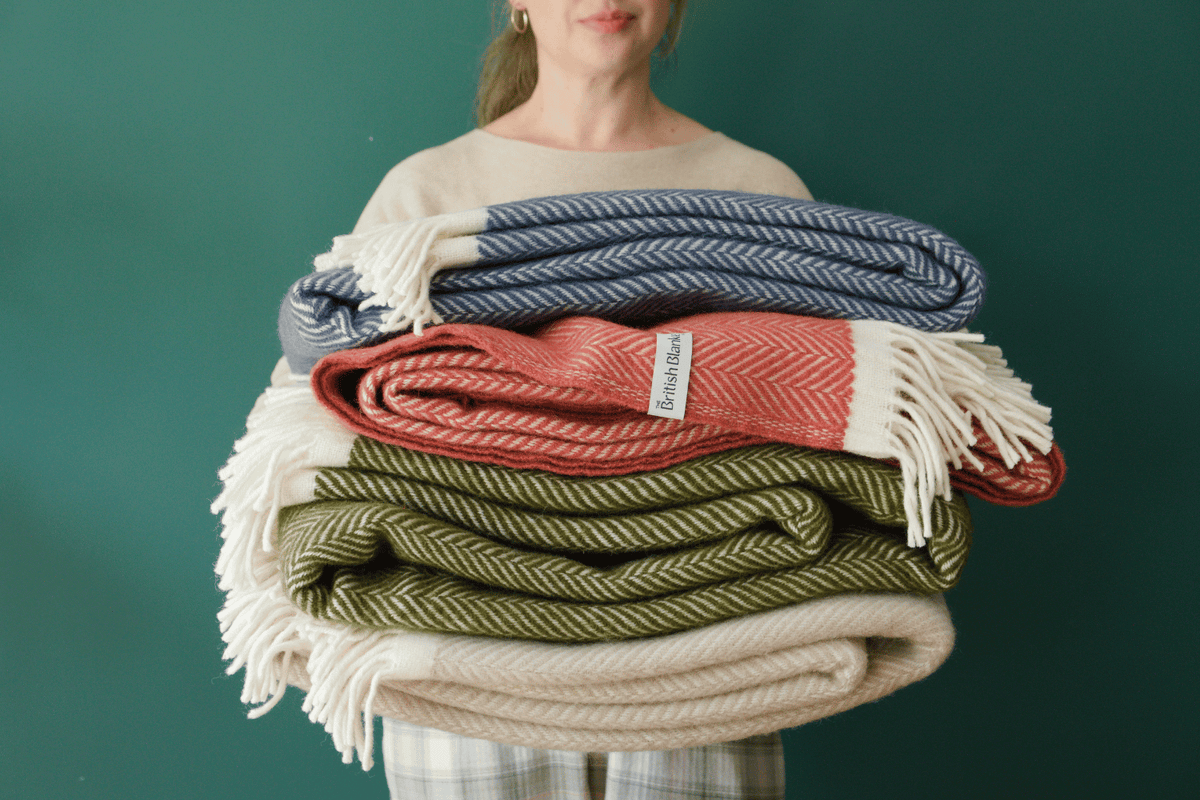
Pure wool blankets have the familiar warmth and substance many of us associate with a proper blanket. They tend to feel slightly weightier and more structured than finer fibres, making them well suited to everyday use on beds and sofas. A good pure wool blanket should feel robust enough to be used, not treated as decoration.
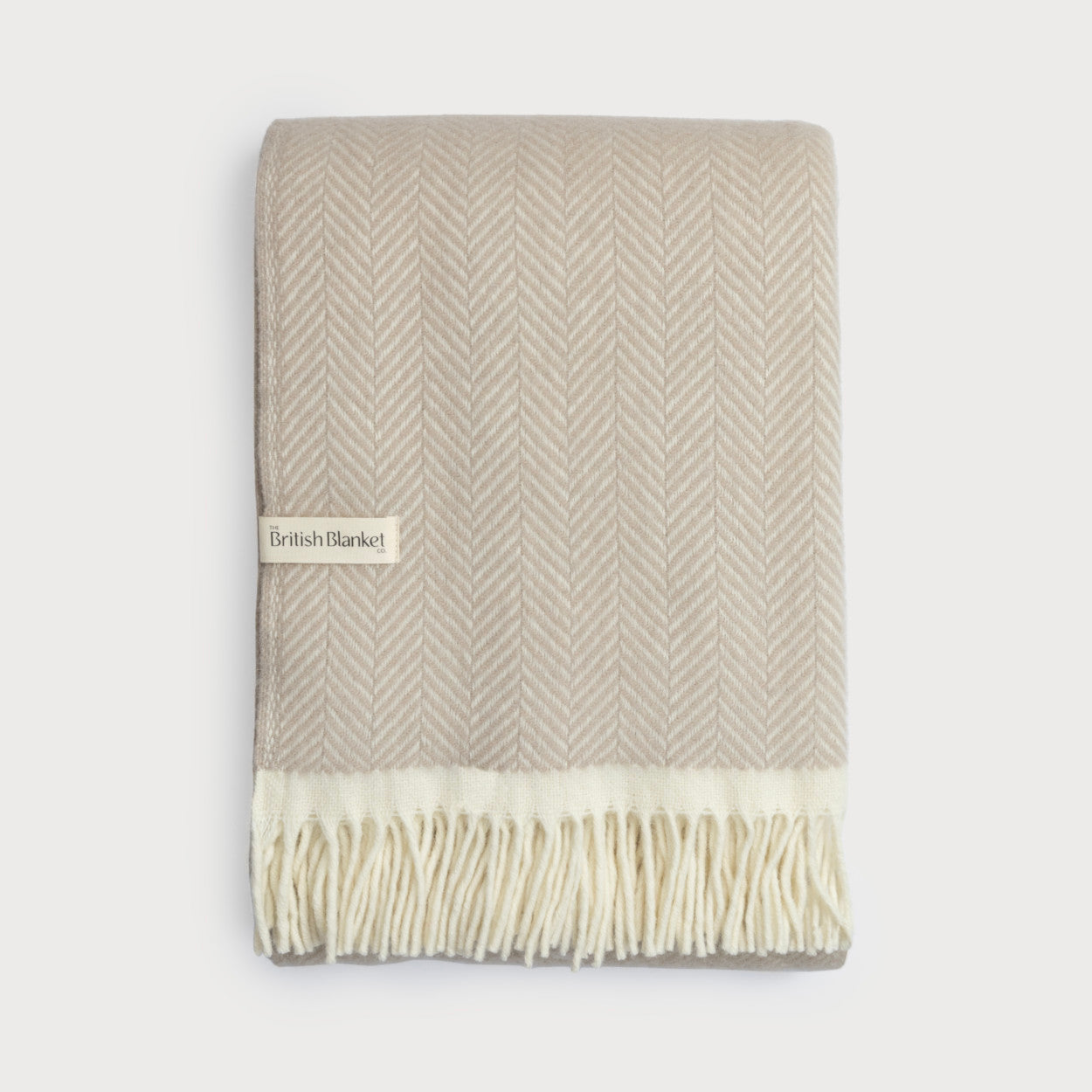
Texture varies considerably. A classic herringbone has an orderly, understated pattern, while a waffle weave adds depth and a more relaxed look. Neither needs to be reserved for a particular style of home. Wool sits as naturally beside clean contemporary furniture as it does in a cottage bedroom.
 Lightweight Merino and Alpaca blankets are perfect for everyone, even the littlest of us
A note about “plastic-free blankets”
“Plastic-free blankets” is a phrase worth approaching carefully. If avoiding synthetic fibres is important to you, check the complete composition rather than relying on the product name or its appearance. A blanket described as wool blend can contain a higher percentage polyester, acrylic or nylon than wool, while decorative trims, backing materials and packaging may introduce other components.
Look for a clear fibre declaration such as “100% pure wool”, “100% Merino wool” or “100% alpaca”. If the information is vague, ask. It is also worth remembering that the softest-looking option is not always the softest natural fibre. Modern polyester fleeces are engineered to feel fluffy in a shop, but Merino and alpaca offer softness alongside breathability, moisture management and warmth. The difference becomes more apparent after several hours beneath the blanket, rather than in a ten-second stroke of the fabric.
A more natural bedroom, one layer at a time
The bedroom is one of the easiest rooms in which to think in layers. There is no need to replace everything at once. Cotton or linen bed linen, a natural-filled duvet and a wool blanket can be introduced gradually, as existing items reach the end of their useful lives.
Begin with the layer that will make the greatest difference to how the room feels. For some people, that will be crisp cotton sheets. For others, it will be removing a big synthetic fleece throw and replacing it with a breathable wool blanket that can stay on the bed for more of the year. And of course, your individual preferences for pattern and colour matter too, so choose a specialist blanket shop that has a wide range to choose from.
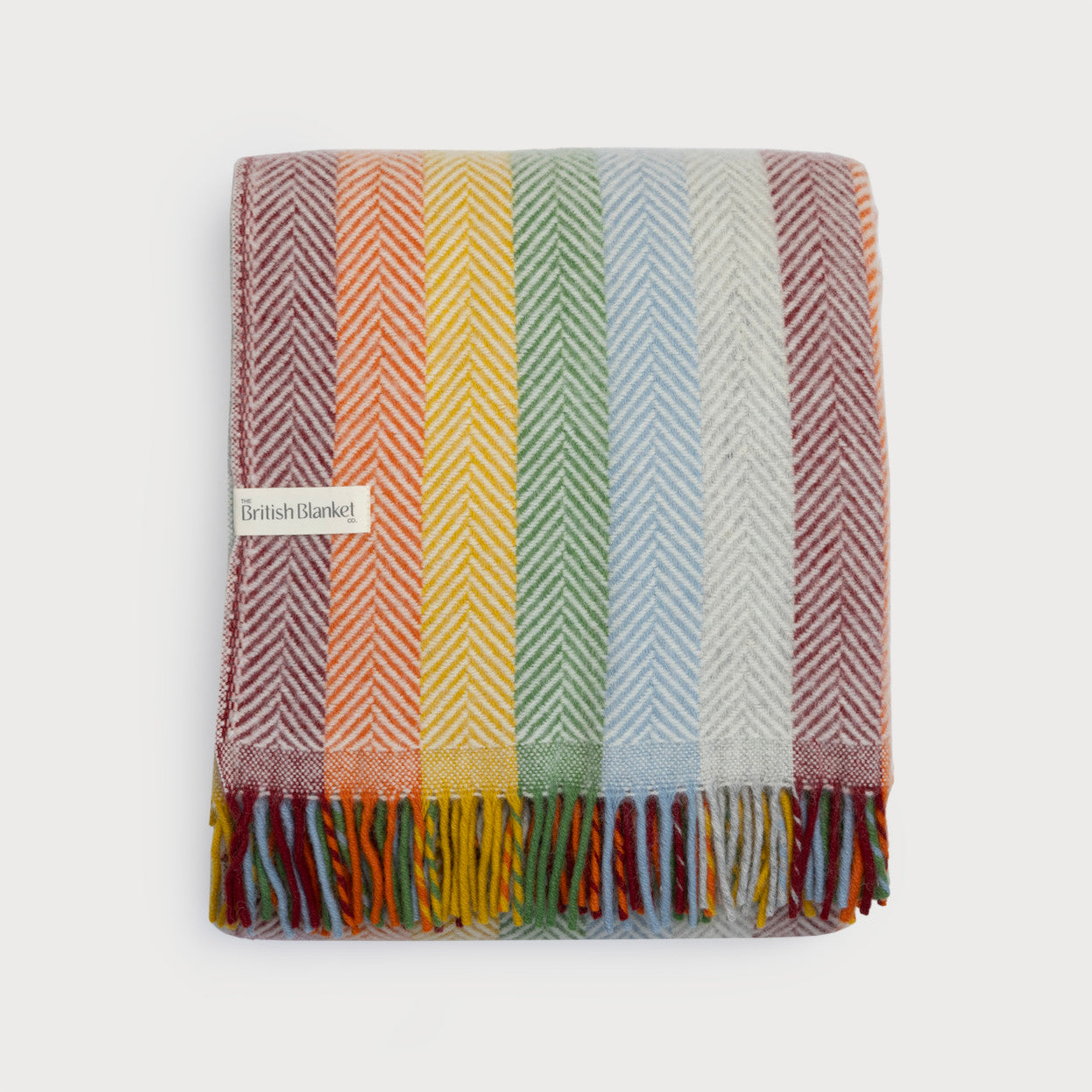
 Little changes over time, for a better, more conscious future. Featuring Kids' Rainbow Bright and Orange Totterdown Blankets
Progress over perfection
I did not finish The Plastic Detox with a perfectly plastic-free home. I still own synthetic things, and I am not planning to throw away useful belongings in order to achieve an immaculate set of cupboards. The pickle jars are staying, though.
What has changed is my awareness. I notice fibre labels more readily. I think about whether something will breathe, how long it might last and what will happen when it is no longer useful. I am less interested in buying a quick replacement and more interested in waiting for the right one.
That is perhaps the most constructive response to the documentary. Concern can be paralysing, but it can also become curiosity. Once you begin noticing materials, small choices present themselves everywhere.
No home will ever be perfect, and perfection is a particularly joyless standard for somewhere that ought to accommodate muddy shoes, cups left on bedside tables and blankets dragged from room to room. Progress is quieter. It looks like refilling the bottle, keeping the jar, repairing the jumper and reading the label before buying the throw.
That seems less like a detox and more like change for the better.